IELTS 3.0 初学者 · 红岭期中 2025-2026 · 文章精读
Fall 秋天
阅读理解 A(7.5分 · 5题)· 原文精读 · 词汇词组 · 语法和从句分析
名词/冠词/代词/数字
动词
不定式
动名词
现在分词
形容词
副词
介词
连词
引导词 that
引导词 when/从句
一、原文精读
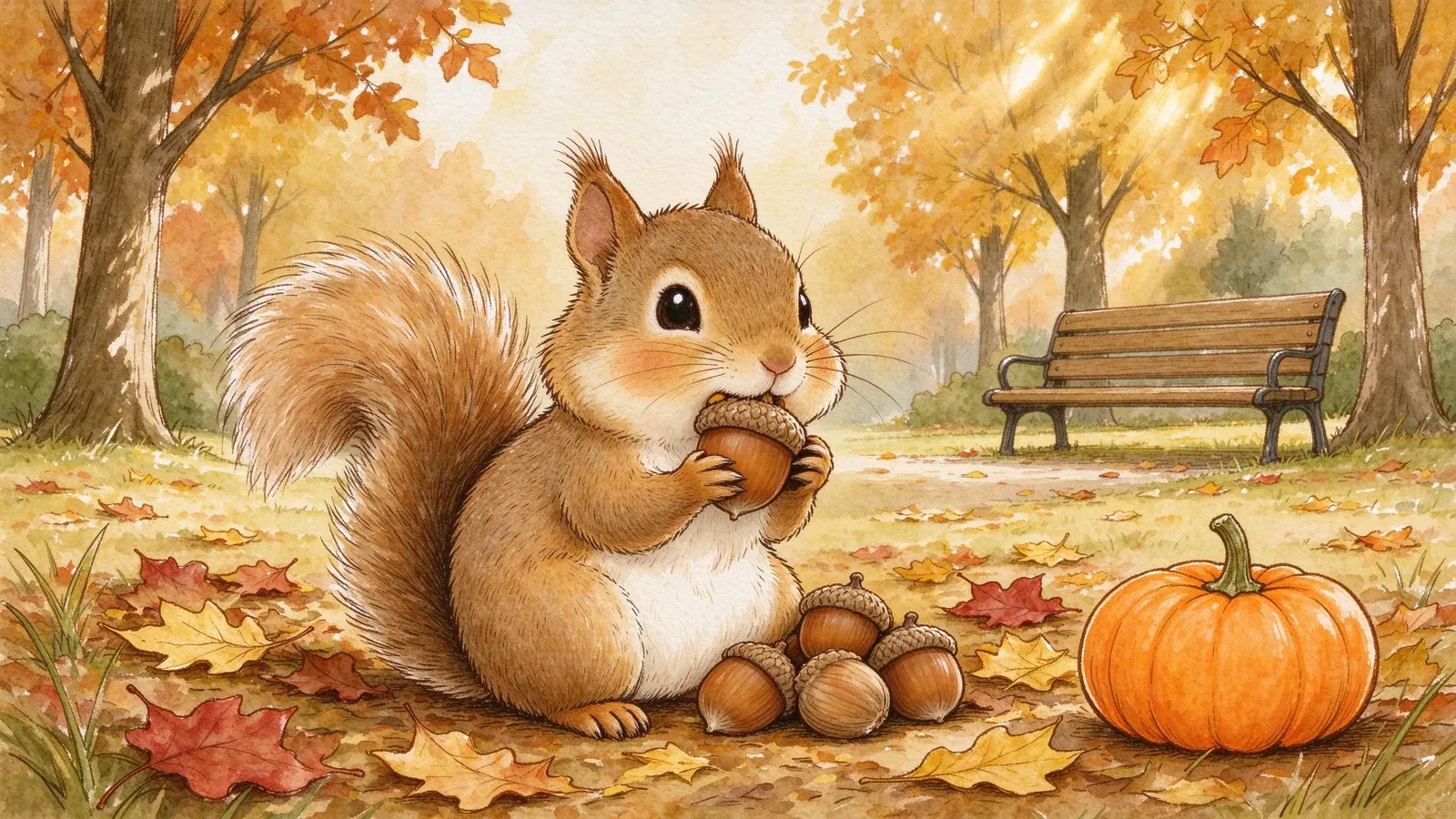
1Fall is a magical season.
秋天是一个神奇的季节。
2The air gets cooler, the leaves turn red and yellow, and many things change.
空气变得更凉爽,树叶变成红色和黄色,许多事物都在变化。
3From colourful parks to tasty food, there is so much to love.
从五彩缤纷的公园到美味的食物,有太多值得喜爱的东西。
4Want to learn some amazing facts about fall?
想了解一些关于秋天的有趣事实吗?
5Let’s read!
让我们一起来读吧!
6The word “fall”.
单词“fall”。
7The word “fall” comes from the phrase “the fall of the leaves”.
“fall”一词来源于短语“树叶的飘落”。
8When we talk about the time between summer and winter, we can also use the word “autumn”.
当我们谈论夏天和冬天之间的这段时间时,我们也可以用“autumn”这个词。
9Both words were used in Britain, but “fall” is more common in American English.
这两个词在英国都用过,但“fall”在美式英语中更常见。
10Fall babies.
秋天出生的宝宝。
11Some studies found that babies born in fall are a little more likely to live to 100 than those born in other seasons.
一些研究发现,秋天出生的婴儿活到100岁的可能性,比其他季节出生的婴儿略高。
12Researchers noticed that many very old Americans had autumn birthdays.
研究人员注意到,许多非常长寿的美国人都是秋天过生日。
13Animals get ready.
动物们做准备。
14Many animals prepare for winter in fall.
许多动物在秋天为过冬做准备。
15Squirrels collect nuts, bears eat extra food to get fat, and some birds fly south to warmer places.
松鼠收集坚果,熊吃额外的食物长膘,一些鸟飞往南方更温暖的地方。
16Some animals grow thicker fur, and others hibernate through winter.
有些动物长出更厚的皮毛,另一些则整个冬天冬眠。
17Fall foods.
秋天的食物。
18Summer is great for strawberries and watermelons, but fall brings apples, pears, pumpkins and many other fruits and vegetables.
夏天盛产草莓和西瓜,而秋天带来苹果、梨、南瓜以及许多其他水果和蔬菜。
19People often make pies and soups with them.
人们常用它们来做派和汤。
20Fun date: the autumn equinox.
趣味日期:秋分。
21The autumn equinox usually falls on September 22nd or 23rd, but sometimes it changes.
秋分通常在9月22日或23日,但有时会变动。
22In the year 2303, it will be on September 24th.
在2303年,它将在9月24日。
23Mark your calendar!
在你的日历上做个记号吧!
课文提示:本题为阅读理解 A(共 5 小题,每小题 1.5 分,共 7.5 分)。参考答案:11. B(The fall of the leaves);12. C(Collect nuts);13. D(People born in fall may live a bit longer);14. A(在冬天来临前做准备);15. C(kids’ science page 儿童科普版面)。注:equinox 意为“二分点”,文中 the autumn equinox 即“秋分”;小标题句块同样编号、可逐句朗读。
词汇
magical adj.神奇的
season n.季节
air n.空气
cooler adj.更凉爽的
leaf n.树叶(复数 leaves)
colourful adj.五彩缤纷的
tasty adj.美味的
fact n.事实
phrase n.短语;词组
autumn n.秋天(英式)
common adj.常见的;普遍的
likely adj.可能的(be likely to)
researcher n.研究人员
prepare v.准备
collect v.收集
extra adj.额外的
hibernate v.冬眠
equinox n.二分点(秋分)
strawberry n.草莓
pumpkin n.南瓜
calendar n.日历
词组
come from来自;源自
talk about谈论
between ... and ...在……和……之间
be born in出生于
be likely to do可能做某事
prepare for为……做准备
get fat长肥
get ready做准备
more common than比……更常见
from ... to ...从……到……
make pies做派
介词短语
From colourful parks to tasty food从缤纷公园到美味食物
about the time关于这段时间
in fall在秋天
in other seasons在其他季节
for winter为过冬
through winter整个冬天
with them用它们
on September 22nd在9月22日
二、语法和从句分析
1. 形容词比较级 more ... than:““fall” is more common in American English.”“babies born in fall are a little more likely to live to 100 than those born in other seasons.”多音节形容词比较级用 more + 原级,常与 than 连用。
2. when 引导时间状语从句:“When we talk about the time between summer and winter, we can also use the word “autumn”.”中 when 表示“当……时”。
3. from ... to ... 结构:“From colourful parks to tasty food”表示“从……到……”,连接两个并列的名词短语。
4. be born in 出生于:“babies born in fall”“those born in other seasons”中 be born in + 时间/地点,born 为过去分词。
5. 一般现在时第三人称单数:“The word “fall” comes from…”“The equinox usually falls on September…”“fall brings apples…”中主语为第三人称单数,动词加 -s/-es。
6. 情态动词 can / may:“we can also use the word “autumn””中 can 表示“可以、能够”;阅读第13题 D 项 “People born in fall may live a bit longer” 中 may 表示“可能”。
7. 一般将来时 will:“In the year 2303, it will be on September 24th.”中 will + 动词原形 表示将来。
8. 祈使句:“Let’s read!”“Mark your calendar!”为祈使句,以动词原形开头,表示建议或号召。
9. 过去分词作后置定语:“babies born in fall”“Both words were used in Britain”中过去分词 born、used 作定语/被动成分。