IELTS 4.0 基础使用者 · Unit 1 · 文章精读
Dinosaurs 恐龙
原文精读 · 词汇词组 · 语法和从句分析
名词/冠词/代词/数字
动词
不定式
动名词
现在分词
形容词
副词
介词
连词
引导词 that
引导词 when/原因
一、原文精读
1Dinosaurs are a type of prehistoric animal.
恐龙是一种史前动物。
2They are related to crocodiles, snakes and lizards.
它们与鳄鱼、蛇和蜥蜴有亲缘关系。
3They are also the ancestors of today's birds.
它们也是今天鸟类的祖先。
4Dinosaurs first appeared around 245 million years ago.
恐龙大约在2.45亿年前首次出现。
5The word “dinosaur” comes from two Greek words, and it means “terrible lizard”.
“dinosaur”这个词来自两个希腊词,意思是“可怕的蜥蜴”。
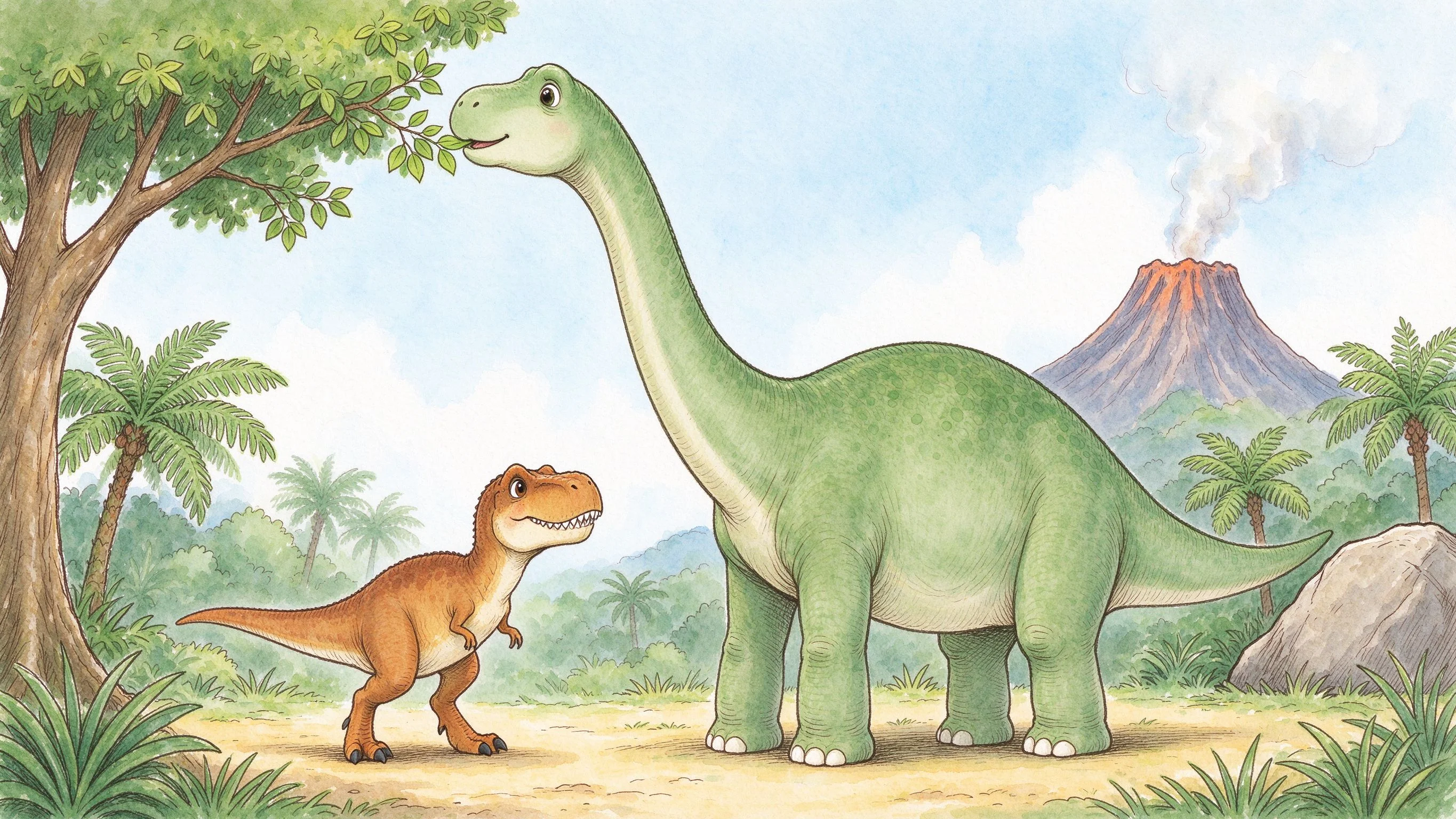
6Dinosaurs lived on land and walked on either two or four legs.
恐龙生活在陆地上,用两条腿或四条腿行走。
7Many dinosaurs ate plants, but some ate meat.
许多恐龙吃植物,但有些恐龙吃肉。
8Dinosaurs came in different sizes.
恐龙体型各不相同。
9Some were as small as chickens, and others were as big as ten elephants.
有些恐龙小得像鸡一样,另一些则大得像十头大象。
10Dinosaurs ruled the Earth for more than 180 million years.
恐龙统治地球超过1.8亿年。
11About 66 million years ago, dinosaurs suddenly died out.
大约6600万年前,恐龙突然灭绝了。
12Scientists are not completely sure why.
科学家们并不完全确定(其中的)原因。
13However, they are learning more and more about dinosaurs by studying their fossils.
然而,他们正通过研究恐龙化石,对恐龙了解得越来越多。
词汇
prehistoric adj.史前的
crocodile n.鳄鱼
snake n.蛇
lizard n.蜥蜴
ancestor n.祖先
appear v.出现
Greek adj.希腊的
mean v.意思是
terrible adj.可怕的
leg n.腿
plant n.植物
meat n.肉
size n.大小、尺寸
rule v.统治
suddenly adv.突然
completely adv.完全地
fossil n.化石
词组
be related to与…有亲缘关系
be the ancestors of是…的祖先
come from来自
either … or …要么…要么…
as small / big as和…一样小 / 大
more than超过
die out灭绝
study fossils研究化石
millions of years数百万年
介词短语
of prehistoric animal(一种)史前动物的
related to crocodiles, snakes and lizards与鳄鱼、蛇和蜥蜴有关
of today's birds今天鸟类的
around 245 million years ago大约2.45亿年前
from two Greek words来自两个希腊词
on land在陆地上
on either two or four legs用两条或四条腿
in different sizes体型各不相同
about dinosaurs关于恐龙
by studying their fossils通过研究它们的化石
二、语法和从句分析
1. 一般过去时:全文用一般过去时叙述史前事实(appeared, lived, walked, ate, came, ruled, died)。
2. 同级比较 as…as:“as small as chickens / as big as ten elephants”用“as + 形容词原级 + as”表示“和……一样小/大”。
3. 宾语从句(省略):“Scientists are not completely sure why.”中 why 引导宾语从句,完整形式是 why they died out(它们为何灭绝),从句被省略。
4. 动名词作介词宾语:“by studying their fossils”中 by + 动名词 studying 表示方式,意思是“通过研究它们的化石”。
5. 比较级重复:“more and more about dinosaurs”用“比较级 + and + 比较级”表示“越来越……”。
6. either…or…:“either two or four legs”表示“要么两条腿,要么四条腿”的选择关系。
IELTS 4.0 基础使用者 · Unit 1 · 文章精读 · Dinosaurs