READING B · 阅读理解 · 5 题

阅读理解精练 · Encyclopaedias 百科全书

从古罗马、古代中国到启蒙思想与互联网时代 · 定位词同色高亮 + 答案依据波浪线 + 逐题解析 + 文章精读

5 题 · 16-20定位词高亮答案依据波浪线逐题解析文章精读作文金句
图例 LEGEND Q16 最早的百科全书 Q17 20 世纪 80 年代最大的百科全书 Q18 启蒙思想质疑王权 Q19 人们一直在寻找并分享知识 Q20 文章出处(科普说明文) 题干定位词与原文同色高亮;波浪线 = 答案依据句;黄底 = 题干与原文的同义转换处

一、文章

PASSAGE · 点击任意单词可查词典

① Throughout history, people have always looked for knowledge. This led to the creation of many important encyclopaedias.

Ancient Rome
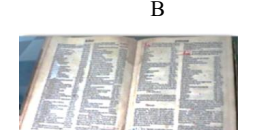
百科全书书影 ② The earliest encyclopaedia on record is Natural History by Pliny. He wrote about his knowledge of ancient Rome. Although many of his writings were true, some were hard to believe, like the Sciapodae people with one foot as big as an umbrella! However, Pliny never finished improving his work because he went to Pompeii in 79 AD to visit Mount Vesuvius and died in the eruption (火山爆发).

Ancient China

③ From the 10th to the 17th centuries, the Chinese government asked many clever people to make encyclopaedias. In the 11th century, they wrote Four Great Books of Song to collect all the information about the new Song dynasty. In 1408, China completed Yongle Encyclopaedia. It was the largest encyclopaedia until Wikipedia came along about six hundred years later.

Enlightenment Ideas (启蒙思想)

④ When printing became common, encyclopaedias grew popular and important. During the Enlightenment, a famous encyclopaedia called Encyclopédie came out in France in 1751. Editor Diderot wanted it to “change the way people think” and help the rising middle class teach themselves. Also, the ideas in the book encouraged people to question the king’s rule. This helped lay the cultural foundation (基础) for the French Revolution (法国大革命).

The Internet Age

⑤ As the world went online, knowledge grew, too. Internet encyclopaedias started in the early 1990s. By 2001, Wikipedia came out. In 2004, it became the biggest encyclopaedia with 300,000 articles. By 2022, it had 6.5 million articles with pictures, videos, and more, making a lot of information easy to find online.

原卷说明:本文共 5 段,段首编号 ①②③④⑤,中间有四个小标题 Ancient Rome、Ancient China、Enlightenment Ideas (启蒙思想)、The Internet Age,第 ② 段前有百科全书书影插图。第 17 题是“据文作答”题:文中说《永乐大典》“was the largest encyclopaedia until Wikipedia came along about six hundred years later”,1408 年再加约六百年正是 2000 年前后,所以 20 世纪 80 年代初它仍然是世界上最大的百科全书。

二、题目精析

QUESTIONS · 定位词 → 原文依据 → 选项对错原因
16

What was the earliest encyclopaedia on record?

有记载以来最早的百科全书是哪一部?

细节理解 · 定位首句
定位② 段首句 “The earliest encyclopaedia on record is Natural History by Pliny.”
同义转换题干 What was the earliest encyclopaedia on record? ↔ 原文 The earliest encyclopaedia on record is Natural History by Pliny.(疑问句变成陈述句,关键词几乎逐词对应);原文的 Natural History 就是“最早的百科全书”。
解析② 段第一句直接给出答案:有记载以来最早的百科全书是普林尼(Pliny)的《自然史》(Natural History)。其余三项都出现在别的段落:B《宋四大书》是 11 世纪宋朝编写的;C《百科全书》(Encyclopédie)是 1751 年在法国出版的;D《永乐大典》是 1408 年中国完成的——它们都比《自然史》晚得多,不可能是“最早的”。
答案A(Natural History)
A.Natural History.《自然史》。✓ 对应 ② 段首句 The earliest encyclopaedia on record is Natural History by Pliny.,是“有记载以来最早”的。
B.Four Great Books of Song.《宋四大书》。✗ 张冠李戴——这是 11 世纪宋朝为收集宋朝资料而编写的(③ 段),时间比《自然史》晚一千多年。
C.Encyclopédie.《百科全书》。✗ 张冠李戴——这是 1751 年在法国出版的启蒙时期百科全书(④ 段),不是最早的。
D.Yongle Encyclopaedia.《永乐大典》。✗ 张冠李戴——这是 1408 年中国完成的(③ 段),文中说它长期是“最大的”,但从未说它是“最早的”。
17

What was the largest encyclopaedia worldwide in the early 1980s?

20 世纪 80 年代初,世界上最大的百科全书是哪一部?

细节理解 · 推理(据文作答)
定位③ 段 “In 1408, China completed Yongle Encyclopaedia. It was the largest encyclopaedia until Wikipedia came along about six hundred years later.”
同义转换题干 the largest encyclopaedia worldwide in the early 1980s ↔ 原文 It was the largest encyclopaedia until Wikipedia came along about six hundred years later:1408 年 + 约 600 年 ≈ 2000 年前后;既然维基百科出现之前它一直是最大的,那么 20 世纪 80 年代初它仍然是最大的。
解析这是一道“据文作答”题,必须**用文章提供的时间线推理,不能拿现实常识代替原文**。文中给的时间坐标只有一个:1408 年完成《永乐大典》,直到约六百年后维基百科出现(2001 年),它才不再是最大的;因此 1980 年代初世界上最大的百科全书就是《永乐大典》,选 D。A 项维基百科 2001 年才出现,20 世纪 80 年代根本不存在;B 项《宋四大书》只是 11 世纪收集宋朝资料的书籍,文中也没说它最大;C 项 Encyclopaedia Britannica(《大英百科全书》)在文中根本没有提到,属于“无中生有”——虽然它在现实中很有名,但本文没有依据,所以不能选。
答案D(Yongle Encyclopaedia)
A.Wikipedia.维基百科。✗ 时间错误——⑤ 段说 By 2001, Wikipedia came out,2001 年才问世,20 世纪 80 年代初还没有它。
B.Four Great Books of Song.《宋四大书》。✗ 张冠李戴——③ 段只说它是 11 世纪为收集宋朝资料而编写,文中没有说它是“最大”的。
C.Encyclopaedia Britannica.《大英百科全书》。✗ 无中生有——这部百科全书在文中根本没有提到,属于用现实常识编造选项,不能选。
D.Yongle Encyclopaedia.《永乐大典》。✓ 原文 It was the largest encyclopaedia until Wikipedia came along about six hundred years later.:1408 年 + 约 600 年 ≈ 2000 年,所以 20 世纪 80 年代初它仍是世界上最大的百科全书。
18

What can we infer from the fourth paragraph?

从第四段我们可以推断出什么?

推理判断 · 段落推断
定位④ 段 “the ideas in the book encouraged people to question the king’s rule. This helped lay the cultural foundation for the French Revolution.”
同义转换选项 C 的 challenged the traditions of its time(挑战了它所处时代的传统)↔ 原文 encouraged people to question the king’s rule(鼓励人们质疑国王的统治)+ lay the cultural foundation for the French Revolution(为法国大革命奠定文化基础):质疑王权、引发革命,正是“挑战当时的传统与权威”。
解析④ 段的核心内容有两句:书中的思想鼓励人们质疑国王的统治,并为法国大革命奠定了文化基础。把这两句合并理解,就是《百科全书》挑战了当时的传统,故选 C。A 项凭空贬低法国人,原文毫无依据(无中生有);B 项与原文相反,came out in France 说明它是法国的百科全书;D 项也与原文相反,④ 段首句说印刷普及后 encyclopaedias grew popular and important,印刷恰恰帮助了人们学习。
答案C(Encyclopédie challenged the traditions of its time)
A.French people were stupid at that time.当时法国人很愚蠢。✗ 无中生有——原文只说《百科全书》帮助中产阶级自学,从未评价法国人“愚蠢”,而且这种说法带有贬义。
B.Encyclopédie was an English encyclopaedia.《百科全书》是一部英国的百科全书。✗ 与原文相反——④ 段明确说 it came out in France in 1751,它是在法国问世的法国百科全书。
C.Encyclopédie challenged the traditions of its time.《百科全书》挑战了它所处时代的传统。✓ 对应 ④ 段 encouraged people to question the king’s rule 与 This helped lay the cultural foundation for the French Revolution.,正是“挑战传统”。
D.The development of printing did not help people learn.印刷术的发展没有帮助人们学习。✗ 与原文相反——④ 段首句 When printing became common, encyclopaedias grew popular and important. 说明印刷让百科全书更普及,正好帮助了人们学习。
19

What can we learn from the history of encyclopaedias?

从百科全书的历史中我们能了解到什么?

推理判断 · 主旨升华
定位① 段 “Throughout history, people have always looked for knowledge. This led to the creation of many important encyclopaedias.” + 全文时间线:古罗马(②)→ 古代中国(③)→ 启蒙思想(④)→ 互联网时代(⑤)。
同义转换选项 A 的 have never stopped looking for and sharing knowledge ↔ 原文 have always looked for knowledge(always ≈ never stopped)+ the creation of many important encyclopaedias(编写百科全书就是为了把知识整理、传播、分享给更多人)。
解析① 段开篇点题:纵观历史,人们一直在寻找知识,于是才有了各种重要的百科全书;下文用四段分别说明知识如何被记录和传播。可见“人们从未停止寻找和分享知识”是全文最准确的概括,选 A。B 项绝对化——原文只说政府 asked many clever people to make encyclopaedias(请聪明人来编写),并没有说“只有”聪明博学的人才能编;C 项无中生有——文中从未说“欧洲是世界教育中心”,③ 段反而说明古代中国的百科全书长期是最大的;D 项与原文相反——各时代的百科全书本身就是知识交流的成果,并非等到互联网时代才有交流。
答案A(People have never stopped looking for and sharing knowledge.)
A.People have never stopped looking for and sharing knowledge.人们从未停止寻找和分享知识。✓ 对应 ① 段 Throughout history, people have always looked for knowledge. 以及全文“各时代都在整理、传播知识”的主线。
B.Only intelligent and knowledgeable people can make encyclopaedias.只有聪明博学的人才能编写百科全书。✗ 绝对化——③ 段只说政府 asked many clever people to make encyclopaedias,请聪明人来编写,并没有限定“只有他们才能编”。
C.Europe was the world’s education centre over the past two thousand years.过去两千年里欧洲一直是世界教育中心。✗ 无中生有——文中没有“欧洲是世界教育中心”的说法;③ 段还说《永乐大典》长期是世界上最大的百科全书。
D.Europeans and Chinese could not exchange information until the Internet age.直到互联网时代,欧洲人和中国人才能够交流信息。✗ 与原文相反——②③④ 段说明知识一直在被整理与传播(《宋四大书》收集资料、启蒙思想影响大众),知识的交流从未等到互联网时代。
20

Where can you most probably find this article?

你最可能在什么地方读到这篇文章?

推理判断 · 文章出处
定位全文文体与结构:As the world went online, knowledge grew, too. 等句子语言浅显、按时间顺序说明,并用四个小标题 Ancient Rome、Ancient China、Enlightenment Ideas (启蒙思想)、The Internet Age 分成四块,是典型的科普说明文。
同义转换题干 Where can you most probably find this article?(文章出处)↔ 靠文体特征判断:科普说明文 + 四个小标题 + 清晰的时间线 + 客观陈述 + 中文注释(如 火山爆发、启蒙思想)↔ a learning website(学习网站上的知识性文章)。
解析本文是介绍百科全书发展史的科普说明文:有四个小标题、按时间顺序(1408 → 1751 → 1990s → 2001 → 2022)客观说明,语言浅显并附中文注释,最适合出现在学习网站,故选 D。A 故事书要有故事情节和人物,本文没有;B 艺术杂志要谈艺术,本文与艺术无关;C 报纸以时效性新闻为主,而本文是跨越两千多年的知识性通史。
答案D(From a learning website)
A.From a story book.从故事书里。✗ 张冠李戴——本文没有故事情节和人物对话,是客观说明的科普文,不是故事。
B.From an art magazine.从艺术杂志里。✗ 无中生有——全文讲百科全书的演变,与艺术、绘画、音乐等没有任何关系。
C.From a newspaper.从报纸里。✗ 以偏概全——报纸主要刊登时效性新闻,而本文是跨越两千多年的知识性通史,没有新闻事件。
D.From a learning website.从学习网站上。✓ 科普说明文 + 四个小标题 + 时间线 + 浅显语言并附中文注释,正符合学习网站上知识类文章的写法。

三、文章精读

INTENSIVE READING · 词性套色 + 从句划线

精读说明:按《词性标注配色规则》套色——绿=谓语动词,绿底=不定式,墨绿+灰底=动名词,玫红=形容词/形容词性物主代词,玫红+粉底=分词,蓝=副词,紫=介词,橙=连词,橙底=that 类引导词,蓝底=wh- 类引导词,红=疑问词,深灰=冠词/代词/名词;句子下的橙色下划线=that 类从句,蓝色下划线=wh- 类从句。每句句首保留原文段落编号 ①②③④⑤,每句末尾的小喇叭可单独朗读该句,点击生词可查词典。

配色速查 谓语动词 不定式 动名词 形容词/物主代词 分词 副词 介词 连词 that 类引导词 wh- 类引导词 疑问词 冠词/代词/名词
① 纵观历史 · 知识的追寻

①S1Throughout history, people have always looked for knowledge.纵观历史,人们一直在寻找知识。

①S2This led to the creation of many important encyclopaedias.这促成了许多重要百科全书的诞生。

② Ancient Rome · 古罗马

②S1The earliest encyclopaedia on record is Natural History by Pliny.有记载以来最早的百科全书是普林尼的《自然史》。

②S2He wrote about his knowledge of ancient Rome.他写下了自己对古罗马的了解。

②S3Although many of his writings were true, some were hard to believe, like the Sciapodae people with one foot as big as an umbrella!尽管他的许多记载是真实的,但有些却令人难以置信,比如只有一只脚、脚大如伞的“影足人”!

②S4However, Pliny never finished improving his work because he went to Pompeii in 79 AD to visit Mount Vesuvius and died in the eruption (火山爆发).然而,普林尼始终没能完成对这部作品的改进,因为他在公元 79 年前往庞贝城参观维苏威火山,并死于那次火山爆发。

③ Ancient China · 古代中国

③S1From the 10th to the 17th centuries, the Chinese government asked many clever people to make encyclopaedias.从 10 世纪到 17 世纪,中国政府请了许多聪明人来编写百科全书。

③S2In the 11th century, they wrote Four Great Books of Song to collect all the information about the new Song dynasty.11 世纪,他们编写了《宋四大书》,以收集关于新建立的宋朝的所有资料。

③S3In 1408, China completed Yongle Encyclopaedia.1408 年,中国完成了《永乐大典》。

③S4It was the largest encyclopaedia until Wikipedia came along about six hundred years later.直到大约六百年后维基百科出现之前,它一直是最大的百科全书。

④ Enlightenment Ideas (启蒙思想) · 启蒙思想

④S1When printing became common, encyclopaedias grew popular and important.当印刷变得普及时,百科全书变得流行而重要。

④S2During the Enlightenment, a famous encyclopaedia called Encyclopédie came out in France in 1751.启蒙运动期间,一部名为《百科全书》(Encyclopédie)的著名百科全书于 1751 年在法国问世。

④S3Editor Diderot wanted it to “change the way people think” and help the rising middle class teach themselves.主编狄德罗希望它“改变人们的思维方式”,并帮助正在崛起的中产阶级自学。

④S4Also, the ideas in the book encouraged people to question the king’s rule.此外,书中的思想鼓励人们质疑国王的统治。

④S5This helped lay the cultural foundation (基础) for the French Revolution (法国大革命).这为法国大革命奠定了文化基础。

⑤ The Internet Age · 互联网时代

⑤S1As the world went online, knowledge grew, too.随着世界走向网络化,知识也在增长。

⑤S2Internet encyclopaedias started in the early 1990s.网络百科全书始于 20 世纪 90 年代初。

⑤S3By 2001, Wikipedia came out.到 2001 年,维基百科问世。

⑤S4In 2004, it became the biggest encyclopaedia with 300,000 articles.2004 年,它成为最大的百科全书,拥有 30 万篇条目。

⑤S5By 2022, it had 6.5 million articles with pictures, videos, and more, making a lot of information easy to find online.到 2022 年,它拥有 650 万篇条目,配有图片、视频等,使大量信息可以在网上轻松找到。

四、作文金句仿写

WRITING BOOST · 黑色为框架,灰色底纹为可替换词

把文中的好句子拆成“句型框架”,换上你自己的词,就能写出漂亮的句子。

金句 1 Throughout history, people have always looked for knowledge.

Throughout history, people / humans / Chinese people have always looked for knowledge / worked hard / helped each other.

仿写:Throughout history, Chinese people have always worked hard. 纵观历史,中国人民一直勤劳奋斗。

适用:作文开头,表达“自古以来人们一直……”(现在完成时 have always done)。

金句 2 This led to the creation of many important encyclopaedias.

This led to the creation of many important encyclopaedias / a new way of learning / a great invention.

仿写:This led to the creation of a new way of learning. 这促成了新的学习方式的诞生。

适用:说明“某事促成了某物的产生”(lead to the creation of ...,lead to 中的 to 是介词)。

金句 3 When printing became common, encyclopaedias grew popular and important.

When printing / the Internet / online shopping became common, encyclopaedias / e-books / mobile phones grew popular and important.

仿写:When the Internet became common, e-books grew popular and important. 当互联网变得普及时,电子书变得流行而重要。

适用:用 When 引导的时间状语从句写“当……变得普遍时,……也随之兴起”(grow + 形容词)。