IELTS 4.5 入门者(中高级) · Unit 2 · 文章精读
Laozi and Daodejing 老子与《道德经》
原文精读 · 词汇词组 · 语法和从句分析
名词/冠词/代词/数字
动词
不定式
动名词
现在分词
形容词
副词
介词
连词
引导词 that
引导词 when/从句
一、原文精读
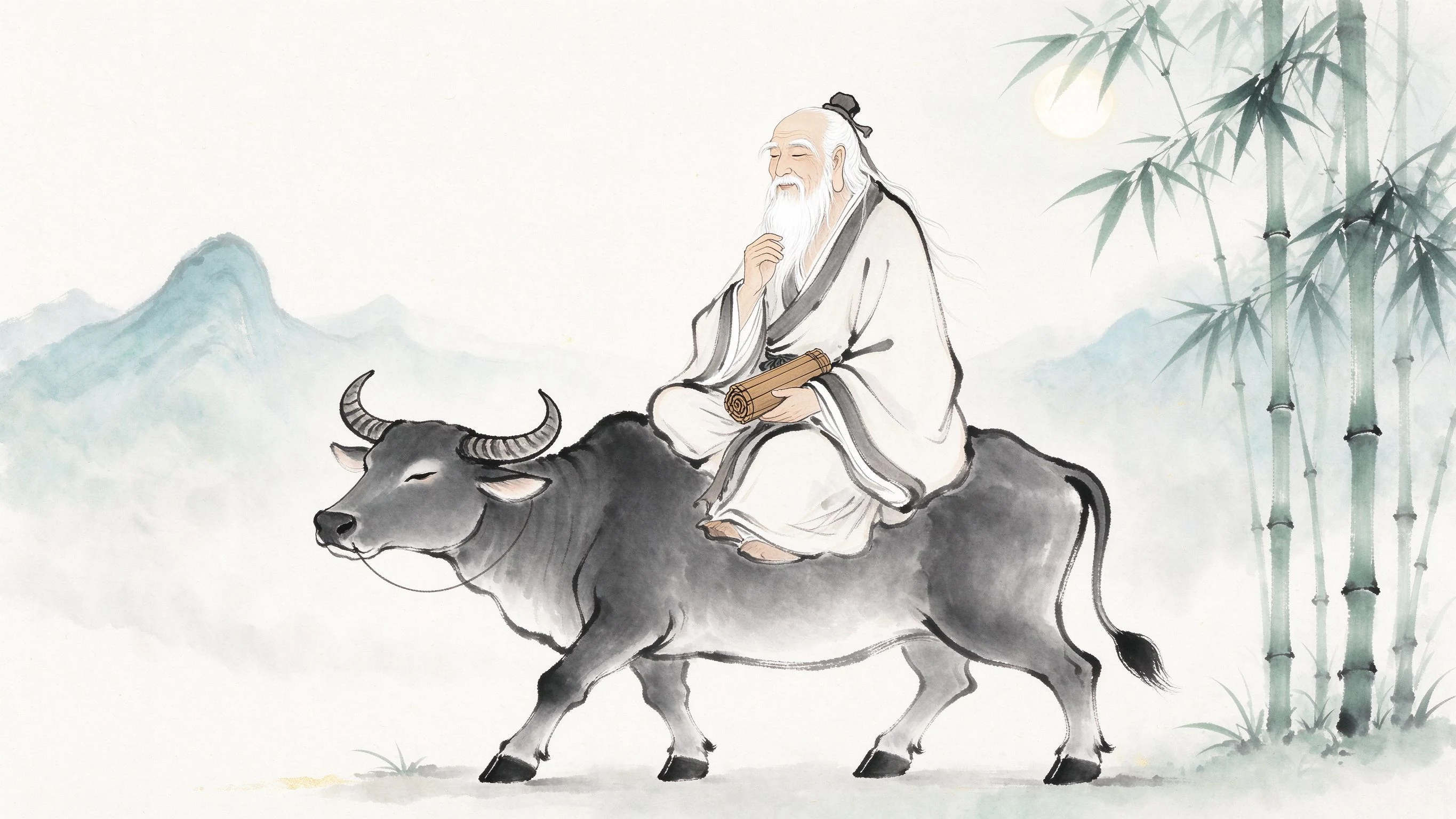
1Laozi① was a scholar and wise man who lived in the late Spring and Autumn period. It is believed that he wrote Daodejing. It is one of the most important works in Chinese history and it has influenced ideas in China and the world for more than 2,000 years.
老子①是一位生活在春秋晚期的学者和智者。人们认为《道德经》是他写的。它是中国历史上最重要的著作之一,两千多年来一直影响着中国乃至世界的思想。
2Daodejing is a guide on how to think and act. The central idea in Daodejing is Dao, commonly translated as “Way”, and the title Daodejing is understood as “Way of nature as a whole”.
《道德经》是一本关于如何思考和行动的指南。它的核心思想是“道”,通常译为“路/道”,书名“道德经”被理解为“自然整体的法则”。
3To achieve what is good, men should respect the laws of nature.
为了达到善,人们应当尊重自然法则。
4The idea is that we, as humans, should live a simple, peaceful and balanced life, respecting our place in nature.
这一思想是,作为人类,我们应当过一种简单、平和而平衡的生活,尊重我们在自然中的位置。
5It is not surprising, therefore, that many of Laozi’s famous sayings use nature to get the message across: “The highest good is like water. Water gives life to the ten thousand things and does not strive②. It flows in places men reject and so is like the Dao.”
因此,老子许多著名的格言都借用自然来传达道理,这并不令人惊讶:“上善若水。水滋养万物而不争②。它流向人们厌恶的地方,所以它就像道一样。”
6This saying reflects Laozi’s idea that Dao or “Way” is everywhere (like water).
这句话反映了老子的思想:道(或“路”)无处不在(就像水一样)。
7We should not try to control things; we should accept what we have and thus allow ourselves to go with the way of nature—that is, to achieve the highest good.
我们不应试图控制事物;我们应当接受我们所拥有的,从而让自己顺应自然之道——也就是说,达到最高的善。
8Daodejing has had a lasting impact on culture in China and beyond.
《道德经》对中国乃至更广泛的文化产生了持久的影响。
9Its ideas about living in harmony with nature have inspired people all over the world, and the book has also influenced philosophy, art and literature.
它关于与自然和谐相处的思想激励了全世界的人们,这本书也影响了哲学、艺术和文学。
10Although Daodejing was written over 2,000 years ago, it is still widely read today because its ideas continue to have meaning in our modern lives.
尽管《道德经》写于两千多年前,今天它仍被广泛阅读,因为它的思想在我们现代生活中依然具有意义。
补充阅读 · 译介历史(Notes)
11Historians believe that Daodejing was first translated into a foreign language during the Tang dynasty. Back then, a Chinese monk translated it into Sanskrit① so that people in India could read it. Today, Daodejing is one of the most translated books in the world. It has been translated several hundred times.
历史学家认为,《道德经》最早是在唐代被翻译成外文的。当时,一位中国僧人把它译成梵语①,以便印度人能够阅读。如今,《道德经》是世界上被翻译最多的书之一。它已被翻译了几百次。
课文提示:本页为 Unit 2 “Great ideas” Section 4 Laozi and Daodejing 课文精读。① Laozi 老子;② strive /straɪv/ v. 努力、奋斗、力争;③ Sanskrit /ˈsænskrɪt/ n. 梵语。
词汇
scholar n.学者
wise adj.睿智的
period n.时期、时代
believe v.相信、认为
work n.著作、作品
influence v./n.影响
guide n.指南、指导
central adj.核心的、中心的
commonly adv.通常、普遍地
translate v.翻译
title n.标题、书名
nature n.自然
achieve v.达到、实现
respect v.尊重
law n.法则、法律
simple adj.简单的
peaceful adj.平和的
balanced adj.平衡的
respect v.尊重
surprising adj.令人惊讶的
therefore adv.因此
saying n.格言、谚语
message n.信息、道理
highest adj.最高的
strive v.努力、奋斗、力争
flow v.流动
reject v.拒绝、排斥
reflect v.反映
everywhere adv.到处、无处不在
control v.控制
accept v.接受
thus adv.从而、因此
allow v.允许、使能够
lasting adj.持久的
impact n.影响
beyond adv./prep.更远、之外
harmony n.和谐
inspire v.激励、启发
philosophy n.哲学
literature n.文学
widely adv.广泛地
meaning n.意义
historian n.历史学家
foreign adj.外国的
monk n.僧人、和尚
词组
as a whole作为一个整体
the laws of nature自然法则
get ... across把……传达清楚
more than超过、多于
all over the world全世界
in harmony with与……和谐相处
that is也就是说
go with顺应、跟随
back then当时、那时
so that以便、为了
the most translated被翻译最多的
介词短语
in the late Spring and Autumn period在春秋晚期
of the most important works最重要的著作之一
in Chinese history在中国历史上
for more than 2,000 years两千多年以来
as “Way”译为“道/路”
of nature as a whole自然整体的
in nature在自然中
like water像水一样
to the ten thousand things滋养万物
with the way of nature顺应自然之道
on culture对文化(的影响)
in harmony with nature与自然和谐相处
into a foreign language翻译成外文
during the Tang dynasty在唐代
into Sanskrit译成梵语
二、语法和从句分析
1. who 引导定语从句:“a scholar and wise man who lived in the late Spring and Autumn period”中 who 指人,引导定语从句修饰 man。
2. It 形式主语 + that 从句:“It is believed that he wrote Daodejing”“It is not surprising that...”中 it 作形式主语,真正主语是 that 从句(It is believed that... 人们认为……)。
3. 最高级 + 定语 / 宾语从句:“one of the most important works; the most translated books”中 one of the + 最高级 + 复数名词 表“最……之一”;“on how to think and act”中 how + 不定式 作 on 的宾语。
4. 不定式作目的状语:“To achieve what is good”“to get the message across”中不定式表目的。
5. what 引导宾语从句:“what is good; accept what we have”中 what 引导宾语从句。
6. 现在分词作伴随状语:“...a balanced life, respecting our place in nature”中 respecting 作伴随状语。
7. that 引导同位语从句:“Laozi’s idea that Dao or “Way” is everywhere”中 that 引导同位语从句,说明 idea 的内容。
8. 被动语态:“is understood as; was written; is widely read; has been translated”中均为被动结构。
9. Although / because 引导让步与原因状语从句:“Although Daodejing was written...”“...today because its ideas continue...”中 Although 引导让步状语从句,because 引导原因状语从句。
10. so that 引导目的状语从句:“translated it into Sanskrit so that people in India could read it”中 so that 表“以便”,引导目的状语从句。
IELTS 4.5 入门者(中高级) · Unit 2 · 文章精读 · Laozi and Daodejing