CHAPTER 1 · 全书共 18 章
The Three Farmers 三位农场主
欢迎来到《了不起的狐狸爸爸》第一章精读!这一章我们认识三位「不怎么可爱」的农场主——一位胖、一位矮、一位瘦,却一样刻薄。准备好了吗?Let’s dig in!
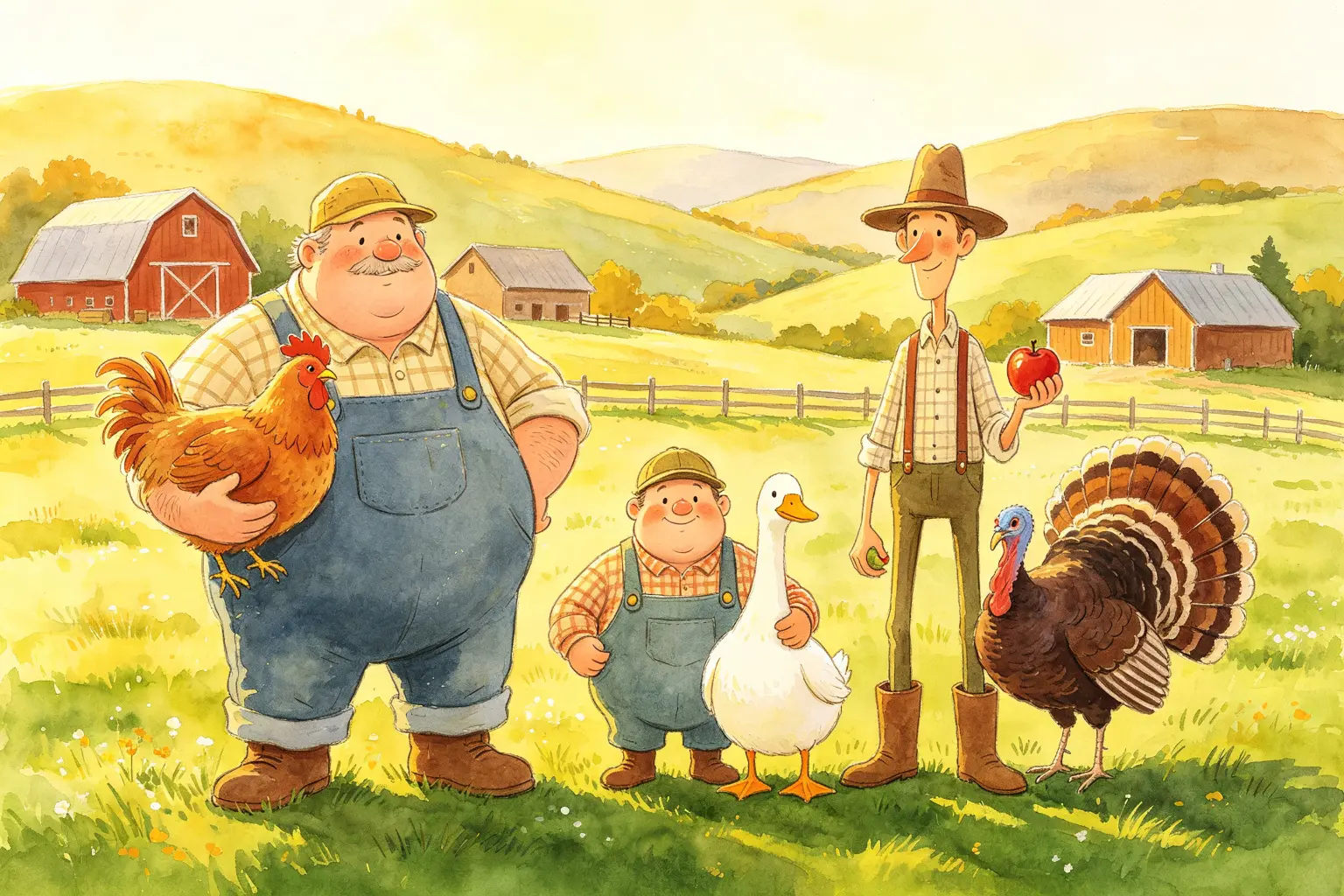
Boggis · Bunce · Bean —— 山谷里的三位农场主
1Chapter 1
欢迎来到《了不起的狐狸爸爸》第一章精读!这一章我们认识三位「不怎么可爱」的农场主——一位胖、一位矮、一位瘦,却一样刻薄。准备好了吗?Let’s dig in!
Meet the author and the story, then make your predictions. Reading with questions helps you understand more.先了解作者和故事背景,再大胆猜一猜,带着问题去读,理解会更深。
Roald Dahl is one of the most famous children’s writers in the world. He wrote Charlie and the Chocolate Factory, Matilda and The BFG. His stories are funny, bold and full of imagination — Fantastic Mr Fox is one of his classics.世界上最会给孩子讲故事的大师之一,代表作有《查理和巧克力工厂》《玛蒂尔达》《好心眼儿巨人》。他的故事幽默、大胆、充满想象力——这本《了不起的狐狸爸爸》也是他的经典之作。
Every night Mr Fox sneaks down from the hill to take food from the three farmers for his family. The farmers are furious and swear to catch him — a battle between men and fox begins! In Chapter 1, we meet the three farmers first.狐狸爸爸每晚偷偷溜下山,从三位农场主那里「借」食物养活一家人。三位农场主气得发疯,发誓要抓住他——一场人与狐狸的较量就此开始。第一章,我们先认识这三位农场主。
Before you read: what do you think the three farmers are like?还没读之前,你觉得三位农场主会是什么样的人?
Pick one to remember your prediction — come back after reading to check!
点一个选项记住你的预测,读完全章后回来揭晓答案。
Two more questions after reading · 还有两个小问题:
1. The three farmers look completely different — how does the writer bring them to life?
三个农场主长得完全不一样,作者是怎么把他们写「活」的?
2. Why do the village children sing a song about them?
为什么村里的孩子们要编一首歌来唱他们?
跟着原文读一遍。橙色单词先别查——根据上下文猜一猜。点击任意单词弹出词典卡片(中英释义 · 发音 · 例句);点段落开头的 ▶ 听朗读(英式男声)。
Down in the valley there were three farms. The owners of these farms had done well. They were rich men. They were also nasty men. All three of them were about as nasty and mean as any men you could meet. Their names were Farmer Boggis, Farmer Bunce and Farmer Bean.
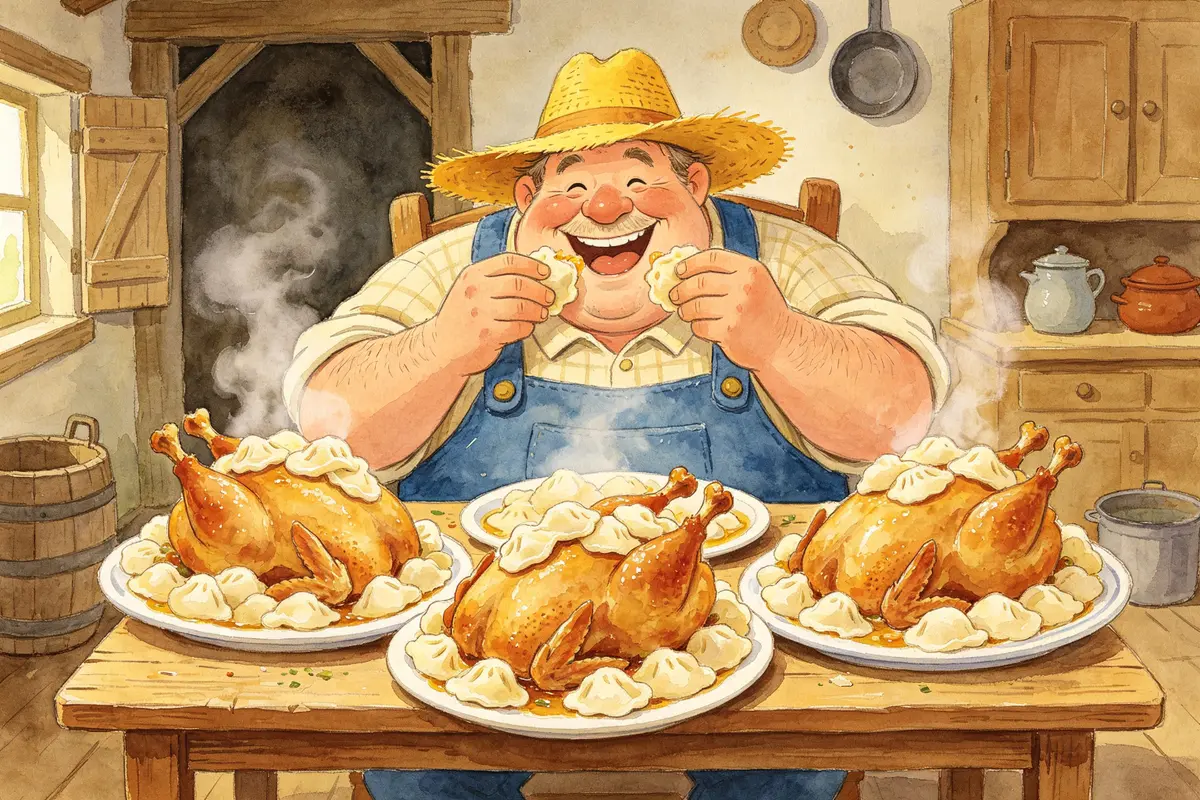
Boggis was a chicken farmer. He kept thousands of chickens. He was enormously fat. This was because he ate three boiled chickens smothered with dumplings every day for breakfast, lunch and supper.
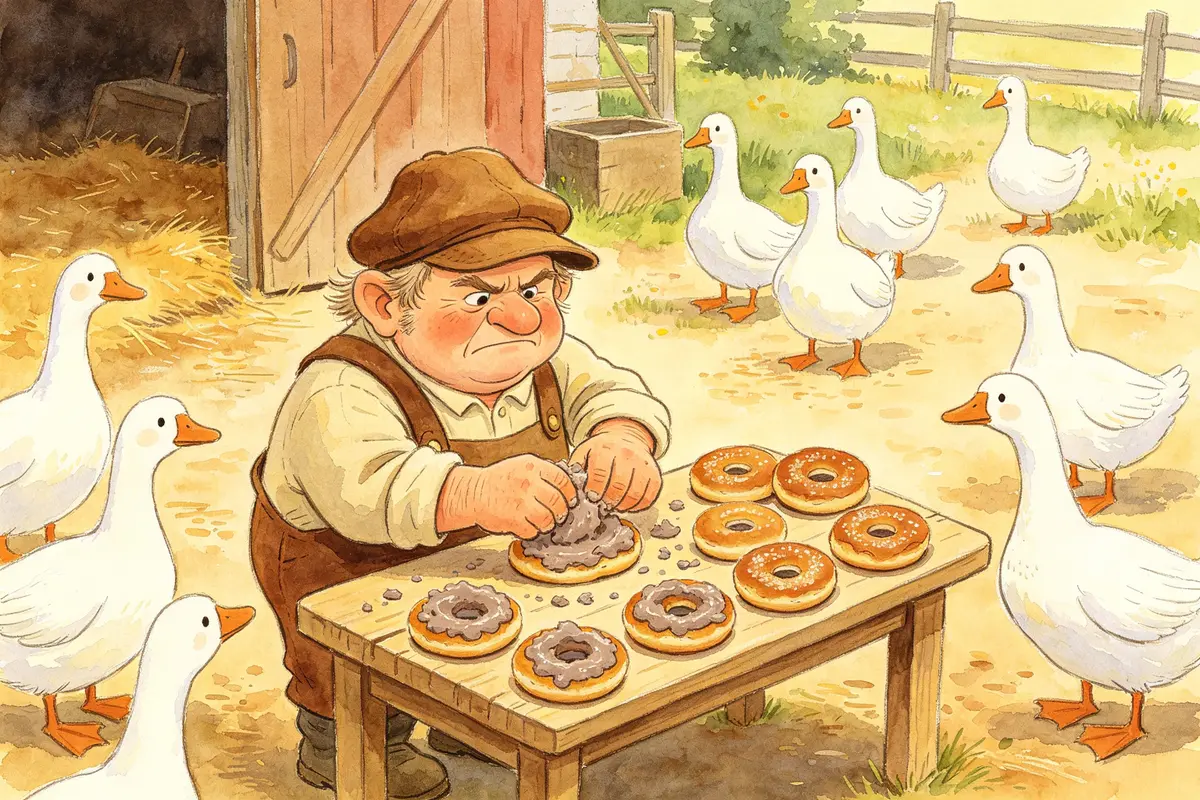
Bunce was a duck-and-goose farmer. He kept thousands of ducks and geese. He was a kind of pot-bellied dwarf. He was so short his chin would have been underwater in the shallow end of any swimming-pool in the world. His food was doughnuts and goose-livers. He mashed the livers into a disgusting paste and then stuffed the paste into the doughnuts. This diet gave him a tummy-ache and a beastly temper.
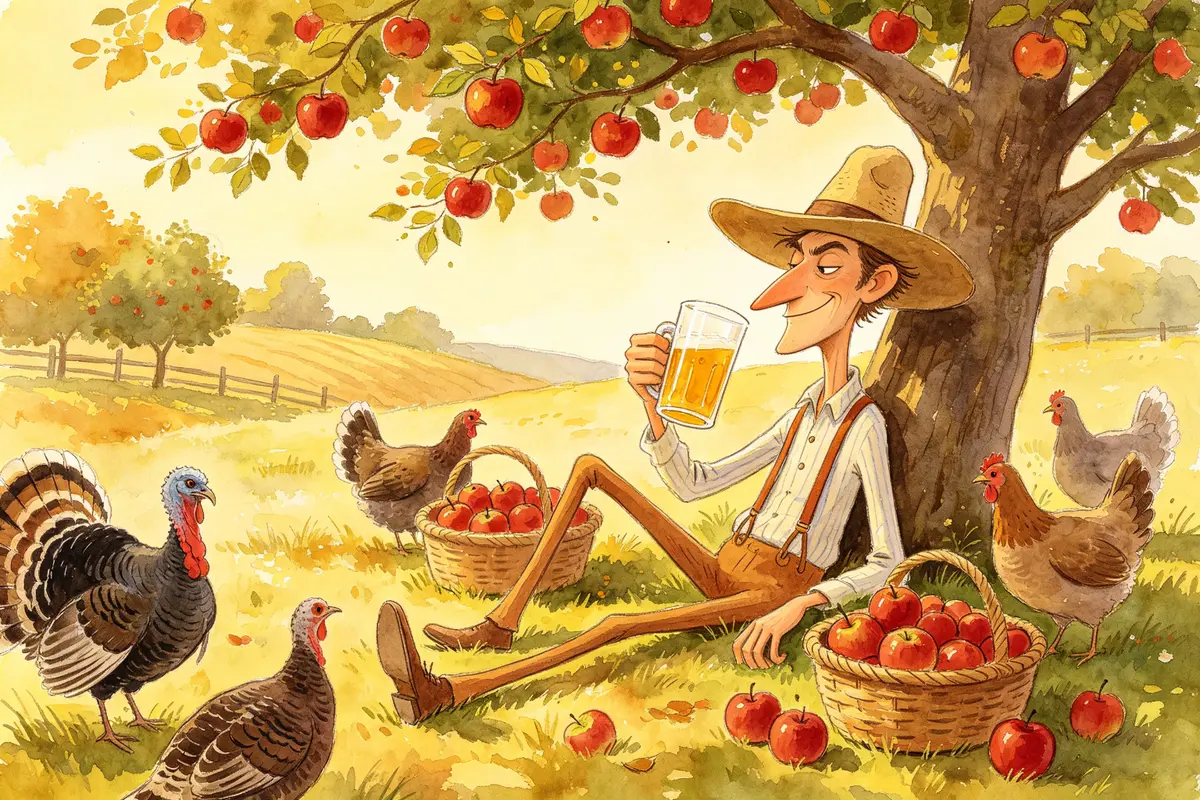
Bean was a turkey-and-apple farmer. He kept thousands of turkeys in an orchard full of apple trees. He never ate any food at all. Instead, he drank gallons of strong cider which he made from the apples in his orchard. He was as thin as a pencil and the cleverest of them all.
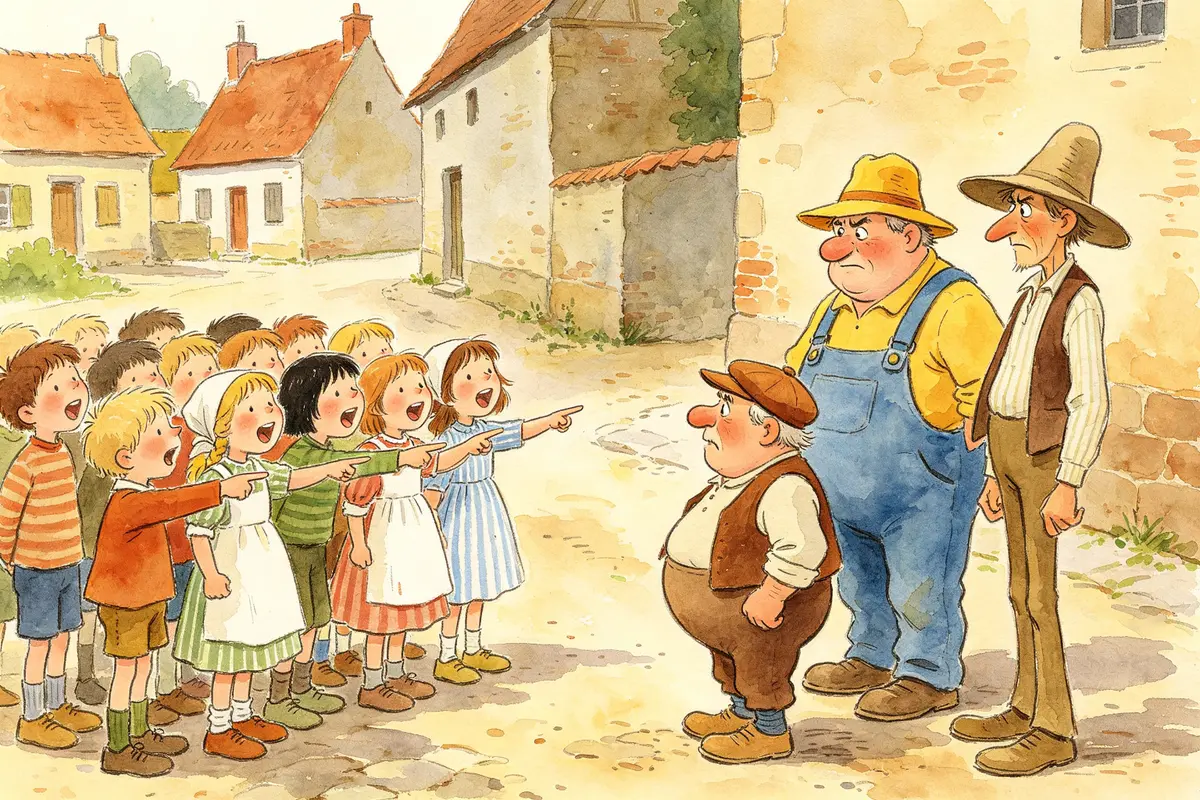
That is what the children round about used to sing when they saw them.
三位农场主:一个养鸡、一个养鸭鹅、一个养火鸡。外貌不同、食物不同,却一样刻薄。
这一章为塑造三位农场主「富而刻薄」的人物特质,用了外貌描写(一胖、一矮、一瘦)、动作描写(邦斯做鹅肝甜甜圈)和环境描写(富足的山谷);三个农场主还没有开口说话,也没有内心独白——语言描写和心理描写要到后面的章节才登场。
Boggis was enormously fat. ... Bunce was a kind of pot-bellied dwarf. He was so short his chin would have been underwater in the shallow end of any swimming-pool in the world. ... Bean was as thin as a pencil and the cleverest of them all.
Appearance shapes the trio's key trait — different bodies, the same meanness. Boggis fat, Bunce short, Bean thin: each is unforgettable at a glance, and the rhyme later ties them together as equally mean.
外貌描写直接塑造人物特质:三个农场主一胖、一矮、一瘦,各具辨识度,童谣又把「一样刻薄」的特质收束在一起——外貌的差异,反衬品格的一致。
That is what the children round about used to sing when they saw them.
No farmer speaks in this chapter. The only "voice" is the children's rhyme, which tells us from outside how famously mean the three are. Speech is saved for later chapters.
这一章三个农场主没有说过一句话;唯一的「人声」是孩子们传唱的童谣——作者借「别人之口」从侧面写出他们的坏名声,语言描写留到后面的章节。
He mashed the livers into a disgusting paste and then stuffed the paste into the doughnuts.
Two quick verbs — mashed and stuffed — act out Bunce's greedy, careless habit: grinding goose-livers into paste and cramming it into doughnuts. A tiny routine makes his gluttony and his beastly temper visible.
动作描写塑造邦斯「贪吃暴躁」的特质:捣碎(mashed)→ 塞入(stuffed),两个连续动词把他做「鹅肝甜甜圈」的怪癖一步步演出来——贪吃到连吃法都这么粗暴。
They were also nasty men. All three of them were about as nasty and mean as any men you could meet.
In this chapter the narrator tells us directly that the farmers are nasty and mean — an outside judgment, not an inner thought. Real psychology (what the farmers feel inside) begins in later chapters.
本章写「坏」用的是叙述者直接评价(they were nasty and mean),还没有走进人物内心——真正写他们心里怎么想,是从后面的章节开始的。
Down in the valley there were three farms. The owners of these farms had done well. They were rich men.
The setting builds the characters' trait: "done well / rich men" plants wealth first, so "rich but nasty and mean" lands together. A calm, prosperous valley makes their cruelty feel sharper.
环境描写为人物特质服务:先写山谷里的农场「经营得好、主人很有钱」,把「富」写进背景,紧接着「富而刻薄」的特质就立住了——越平静富足,越反衬他们的坏。
示意图:长相天差地别,却是 equally mean(一样刻薄)——这就是对比的力量。
这一章用「总—分—总」介绍三位农场主:先总起(山谷·三座农场·富而刻薄),再分述(一人一段),最后用童谣总结。看懂结构,复述就有了骨架。
Down in the valley there were three farms. ... They were also nasty men. ... Their names were Farmer Boggis, Farmer Bunce and Farmer Bean.
山谷里,住着三位富有却刻薄的农场主。
How it expands · 怎么展开:从「地方」的大镜头开始,一步步推近到「人」——山谷 → 三座农场 → 主人(rich but nasty)→ 名字。围绕「在哪 + 是什么样的人」展开,顺手抛出悬念。
Boggis was a chicken farmer. He kept thousands of chickens. He was enormously fat. This was because he ate three boiled chickens ... every day for breakfast, lunch and supper.
博吉斯是养鸡的,胖得夸张。
How it expands · 怎么展开:围绕关键词 chicken farmer 展开——职业 → 数量(thousands of)→ 结果(enormously fat)→ 原因(一日三餐都吃鸡)。中心句回答「他是谁」,后面全部回答「他有多夸张」。
Bunce was a duck-and-goose farmer. ... He was a kind of pot-bellied dwarf. He was so short his chin would have been underwater ... His food was doughnuts and goose-livers. ... This diet gave him a tummy-ache and a beastly temper.
邦斯是养鸭鹅的,是个矮冬瓜。
How it expands · 怎么展开:职业 → 外貌(pot-bellied dwarf)→ 夸张比喻(下巴够不着浅水区)→ 饮食 → 后果(胃痛 + 坏脾气)。与上一段句式平行——「他是谁 + 他什么样」。
Bean was a turkey-and-apple farmer. He kept thousands of turkeys ... He never ate any food at all. Instead, he drank gallons of strong cider ... He was as thin as a pencil and the cleverest of them all.
比恩是养火鸡和苹果的,瘦得像铅笔。
How it expands · 怎么展开:职业 → 反常识(never ate any food)→ 只喝苹果酒 → 比喻(thin as a pencil)+ 加一句「最聪明」。三段句式完全平行——这就是排比式分述。
Boggis and Bunce and Bean / One fat, one short, one lean. / ... Were none the less equally mean.
一胖、一矮、一瘦——却一样刻薄。
How it expands · 怎么展开:用儿歌收束,把「长相不同」和「一样刻薄」钉在一起。孩子们传唱这首歌,证明他们的坏名声全村皆知——总分总里,结尾要「收得住」。
这是总分总结构,所以复述也按总分总:先总起 → 再分述 → 最后总结。
小提示:与「思维导图」搭配用——把导图的枝条按 总起 → 分述 → 总结 排好,先看导图复述一遍,再合上导图凭记忆复述一遍。
把第一章的信息装进这张「思维导图」,再沿着复述支架讲一遍——你也能当小老师!
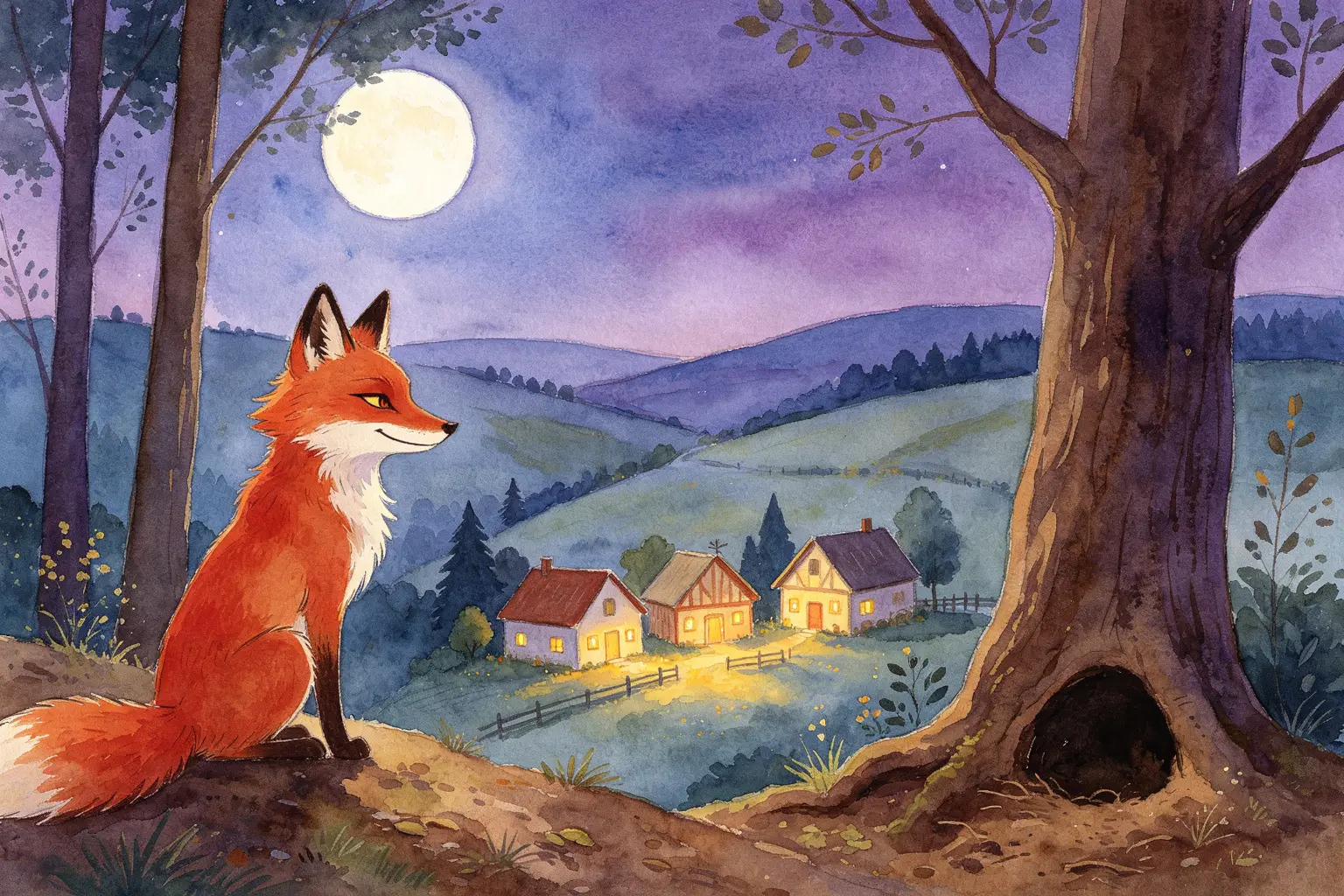
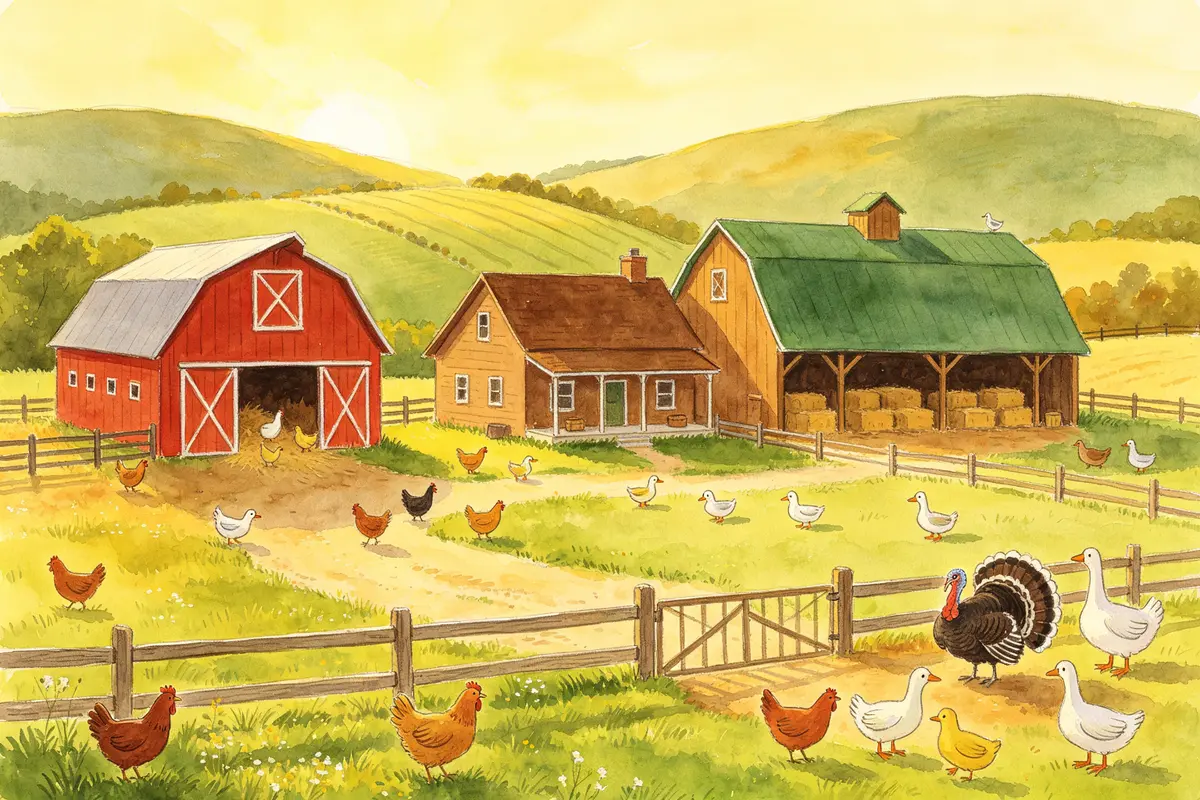
示意图 —— 山谷里有三座农场,山上树林里藏着狐狸的家
把句子补充完整,就完成了第一章的复述。
复述加分:用 First / Then / Also / Finally 把六句话串起来;先讲给同桌听,再闭上眼睛自己讲一遍。
5 张图卡按情节顺序排好。看着图片,用英文把第一章讲出来——每张图点开都有一句「提示句」帮你起头。
提示:图卡可左右滑动查看全部 5 张;点「看看提示句」展开英文句子。
小挑战:先看着图讲一遍,再合上图卡,只凭记忆讲一遍——能做到,第一章就真正属于你了!
Dahl 只用一页纸就让三个「坏蛋」活了起来。按记叙文赏析的维度来看,他的写作亮点可以分成:结构手法(谋篇布局)、表达方式(记叙·描写·抒情·议论·说明)、修辞手法(针对句子)、表现手法(针对篇章段落),还有特别项(如韵律)单独成列。
谋篇布局 —— 段落怎么排、前后怎么呼应、伏笔怎么埋。
山谷 → 三座农场 → 农场主 → 名字:像电影开场镜头一样由远及近(空间顺序),一秒带读者进入故事——这是谋篇布局里的「开头法」。
从篇章看,作者先给「总起段」,再用三个平行段落分别介绍三人——并列式分述(总分结构的分述部分)让层次清清楚楚,读者跟着段落顺序就能记住「谁是谁」。
分述 Bean 时特意补一句「三人中最聪明」——这不是闲笔。它悄悄为后面的情节埋下伏笔:想出抓狐狸主意的,正是 Bean。
记叙 · 描写 · 抒情 · 议论 · 说明 —— 这一章主要靠「描写」。
描写是五种表达方式之一。这一章大量使用外貌描写:胖、矮、瘦,每个农场主「长什么样」一眼就记住,还用外貌暗示性格。
动作描写用连续动词(mashed 捣碎 → stuffed 塞入)把「做鹅肝甜甜圈」的过程一步一步演出来,画面感极强。
开头一句环境描写交代故事发生的地点(山谷里的三座农场),为人物出场搭好舞台——环境描写常用来给故事开头。
针对具体句子 —— 赏析句子时最常考的角度。
把 A 比作 B(as ... as),抽象的词(瘦、矮)一旦比成看得见的东西(铅笔、泳池浅水区),画面就出来了,还自带幽默。
一天三只鸡、还要吃三餐?Dahl 用荒谬具体的数字(还有 thousands of chickens 成千上万只鸡)制造滑稽感,读者立刻记住这个人。
从句子看,三个分述句用完全相同的句式起头(XX was a ...-farmer),节奏整齐、层次分明——排比句式一登场,三个人就像三张卡片被排成一排。
一胖、一矮、一瘦,三个完全不同的人,最后用一句 equally mean(一样刻薄)收拢——对比越强烈,那句结论越有力。
针对篇章或段落 —— 作者为表现主题而采用的技巧。
作者不直接说「他们坏透了」,而是让全村的孩子们编歌唱他们——用旁人的反应(次要人物)来衬托农场主的坏名声,这就是侧面烘托。
不好归入前四类,单独成列的亮点。
三个短促响亮的 B 开头名字,配上 bean–lean–mean 的韵脚(AABBA,打油诗式)。孩子们传唱这首歌,说明他们的坏名声全村皆知。
六个词写出三种体型,节奏整齐、画面清晰——把这句话抄进你的「好句本」吧。
三个难度层级:先找细节,再推原因,最后谈看法。点「提示」给一点帮助,点「答案」对照想法。
1. What did Boggis eat every day? 博吉斯每天吃什么?
2. Which farmer was “as thin as a pencil”? 谁瘦得像铅笔?
3. Why did Bunce have a tummy-ache and a beastly temper? 邦斯为什么胃痛又脾气坏?
4. Why did the children sing a song about the three farmers? 孩子们为什么编歌唱他们?
5. “The owners of these farms had done well.” What does “done well” mean? 这里的 done well 是什么意思?
6. Which farmer is the cleverest? How do you know? 谁最聪明?你从哪里看出来?
7. Do you think the three farmers are happy? Why? 他们快乐吗?为什么?
8. What is the writer’s feeling about the farmers? How does he show it? 作者对他们是什么态度?
9. The book is called Fantastic Mr Fox. What do you think happens next? 猜猜接下来会发生什么?
Chapter 1 uses exaggeration and humour to paint three greedy, mean, laughable farmers — and to plant the seed for a truly fantastic Mr Fox: the worse the villains, the greater the hero.
第一章用夸张和幽默,“画”出三位贪婪刻薄、令人发笑的农场主——也为后文“了不起的狐狸爸爸”登场埋下伏笔:坏蛋越坏,英雄就越了不起。
每张词卡正面是原文句子——先根据上下文猜意思,再点击翻面验证。学完 12 个核心词,别忘了下面的「拓展好词」。
“Down in the valley there were three farms.”
猜一猜:山谷 / 山顶 / 平原?
“They were also nasty men.”
猜一猜:善良 / 恶劣 / 勤劳?
“as nasty and mean as any men you could meet”
猜一猜:强壮 / 刻薄 / 害羞?
“He was enormously fat.”
猜一猜:一点点 / 极其地 / 普通地?
“three boiled chickens smothered with dumplings”
猜一猜:烧烤 / 覆盖满 / 清蒸?
“He was a kind of pot-bellied dwarf.”
猜一猜:巨人 / 矮子 / 胖子?
“He mashed the livers into a disgusting paste.”
猜一猜:美味 / 恶心 / 香甜?
“This diet gave him a tummy-ache...”
猜一猜:运动 / 日常饮食 / 天气?
“...a beastly temper.”
猜一猜:温和 / 糟透的 / 奇怪的?
“...a beastly temper.”
猜一猜:胃口 / 脾气 / 身高?
“...in an orchard full of apple trees.”
猜一猜:车库 / 果园 / 谷仓?
“One fat, one short, one lean.”
猜一猜:胖 / 瘦 / 高?
| Word | Meaning 释义 | From the text 原文 |
|---|---|---|
| crook | n. 骗子;坏蛋 | “These horrible crooks” |
| cider | n. 苹果酒 | “he drank gallons of strong cider” |
| gallon | n. 加仑(容量单位) | “gallons of strong cider” |
| plump | adj. 圆胖的;丰满的 | (后文会出现 plump chickens) |
| mash | v. 捣碎;压成泥 | “He mashed the livers into a disgusting paste” |
本章的 5 个语法点都藏在课文句子里:每个点按「规则 → 原文例句 → 即时练习」三步走,最后做 8 道综合小测检验。先划时态标志词和连接词,再判断时态与句型。
规则:there be 表示“某处有某物”,be 动词由后面的名词决定:单数用 is/was,复数用 are/were。描述过去的情况用 there were / there was。
P1Down in the valley there were three farms.
山谷里有三座农场——farms 是复数,所以 be 动词用 were。
1There ___ a big apple tree in front of my house. A. are B. is C. were
2Long long ago, there ___ (be) three farmers in the valley.
3There ___ (be) some milk and two eggs in the fridge.
1. B(is)——a big apple tree 是单数,be 用 is。
2. were——Long long ago 是过去时间,three farmers 是复数,用 there were。
3. is——就近原则:离 be 最近的是单数 some milk,用 is。
规则:讲过去发生的事用一般过去时:规则动词加 -ed(kept 是不规则),be 动词用 was/were。时间标志:yesterday、last week、long ago,或按上下文(故事里讲从前的事)。
P2Boggis was a chicken farmer. He kept thousands of chickens.
博吉斯是个鸡农,养着成千上万只鸡——was / kept 都是过去式。
P2He ate three boiled chickens ... every day.
他每天吃三只水煮鸡——eat 的过去式是不规则形式 ate。
1Yesterday I ___ (visit) my grandparents.
2He ___ (eat) an apple and ___ (drink) some milk this morning.
3There ___ (be) a little fox in the wood long ago.
1. visited——规则动词 visit 的过去式加 -ed。
2. ate; drank——eat / drink 都是不规则动词:ate、drank。
3. was——a little fox 是单数,且 long ago 表示过去,用 was。
规则:as + 形容词/副词原级 + as 表示“和……一样……”;否定式用 not as/so ... as 表示“不如……”。中间一定要用原级,不能加 -er。
P1... as nasty and mean as any men you could meet.
(他们)和你遇得到的任何人一样恶劣刻薄——as + 原级 + as。
1Tom is ___ (tall) as his brother. 用原级填空
2This story is not ___ interesting ___ that one. A. as; as B. so; that C. more; than
3My bag is as heavy as ___ (you / yours). 选代词
1. as tall as——as + 原级 tall + as,表“和……一样高”。
2. A(as; as)——否定式 not as/so ... as,表“不如……有趣”。
3. yours——比较的对象是“你的书包”,用名词性物主代词 yours(= your bag)。
规则:because + 句子说明“为什么”,回答 why 的问题;because 从句是原因,主句是结果。注意 because 后接句子,不直接接名词。
P2This was because he ate three boiled chickens smothered with dumplings every day.
(他那么胖)是因为他每天吃三只裹着汤团的水煮鸡——because 从句解释原因。
1Why was Boggis enormously fat? —— Because he ___ (eat) three chickens a day.
2I stayed at home ___ the rain. A. because B. because of C. so
3She was happy ___ she won the game. A. because B. but C. before
1. ate——问的是过去的原因,用过去式 ate。
2. B(because of)——the rain 是名词短语,介词短语用 because of;because 后接句子。
3. A(because)——she won the game 是完整句子,用 because 引导原因从句。
规则:had + 过去分词表示“过去的过去”——在过去某个时间点之前就已完成的事。常出现在有“先发生 / 后发生”对比的故事里,帮助理清时间顺序。
P1The owners of these farms had done well.
这些农场主(在此之前)经营得很好——had done 表示“在故事开始前就已经发达了”。
1When I got home, my mum ___ (cook) dinner already.
2By the age of ten, she ___ (learn) to swim.
3He told me that he ___ (see) the film before. A. sees B. saw C. had seen
1. had cooked——“我到家”之前妈妈就做好了,过去的过去用 had + 过去分词。
2. had learned——by the age of ten 表示“到 10 岁时已经”,用过去完成时。
3. C(had seen)——宾语从句里表“之前看过”,先于 told 发生,用 had seen。
1There ___ three farms in the valley. A. was B. were C. is
2Boggis ___ thousands of chickens on his farm. A. keep B. keeps C. kept
3Bunce was as short ___ a pot-bellied dwarf. A. than B. as C. so
4Bean drank lots of cider ___ he loved apples. A. because B. but C. when
5By the time the children sang the song, the farmers ___ famous. A. become B. became C. had become
6Yesterday the farmers ___ (be) angry with the fox.
7There ___ (be) a fox and his four children in the wood.
8The fox was not ___ fast ___ the farmers. A. as; as B. so; than C. more; as
1. B(were)——three farms 复数 + 故事用过去时,there were。
2. C(kept)——讲博吉斯过去养鸡,用过去式 kept。
3. B(as)——as + 原级 + as,as short as。
4. A(because)——“爱苹果”是“喝苹果酒多”的原因,用 because。
5. C(had become)——“孩子们唱童谣之前”就已经出名,过去的过去用 had become。
6. were——the farmers 复数 + yesterday 过去,用 were。
7. is——就近原则:离 be 最近的是 a fox(单数),用 is。
8. A(as; as)——否定式 not as ... as,表“不如农场主快”。
5 道选择题 + 1 个配对游戏。先做选择题,再做配对,看看你能得几分!
1Who was enormously fat? 谁胖得不得了?
2Bean was as thin as a ___. 比恩瘦得像什么?
3“nasty” 与哪个词意思最接近?
4三个农场主外貌完全不同,但他们的共同点是 ___。
5童谣的韵脚(rhyme)是什么?
先点左边的农场主,再点右边他的「最爱食物」。
还有 3 对要配对。
这一页是你的自学地图:学习目标、学习步骤和全部答案都在这里,跟着走就能通关第一章。