CHAPTER 7 · 全书共 18 章
We’ll Never Let Him Go 我们绝不会放他走
第六章结尾,山丘被挖成了火山口,三个农场主却仍然抓不到狐狸。这一章,机器挖不动了,他们换了一个更狠的主意:日夜扎营守在洞口,把狐狸一家活活饿出来!
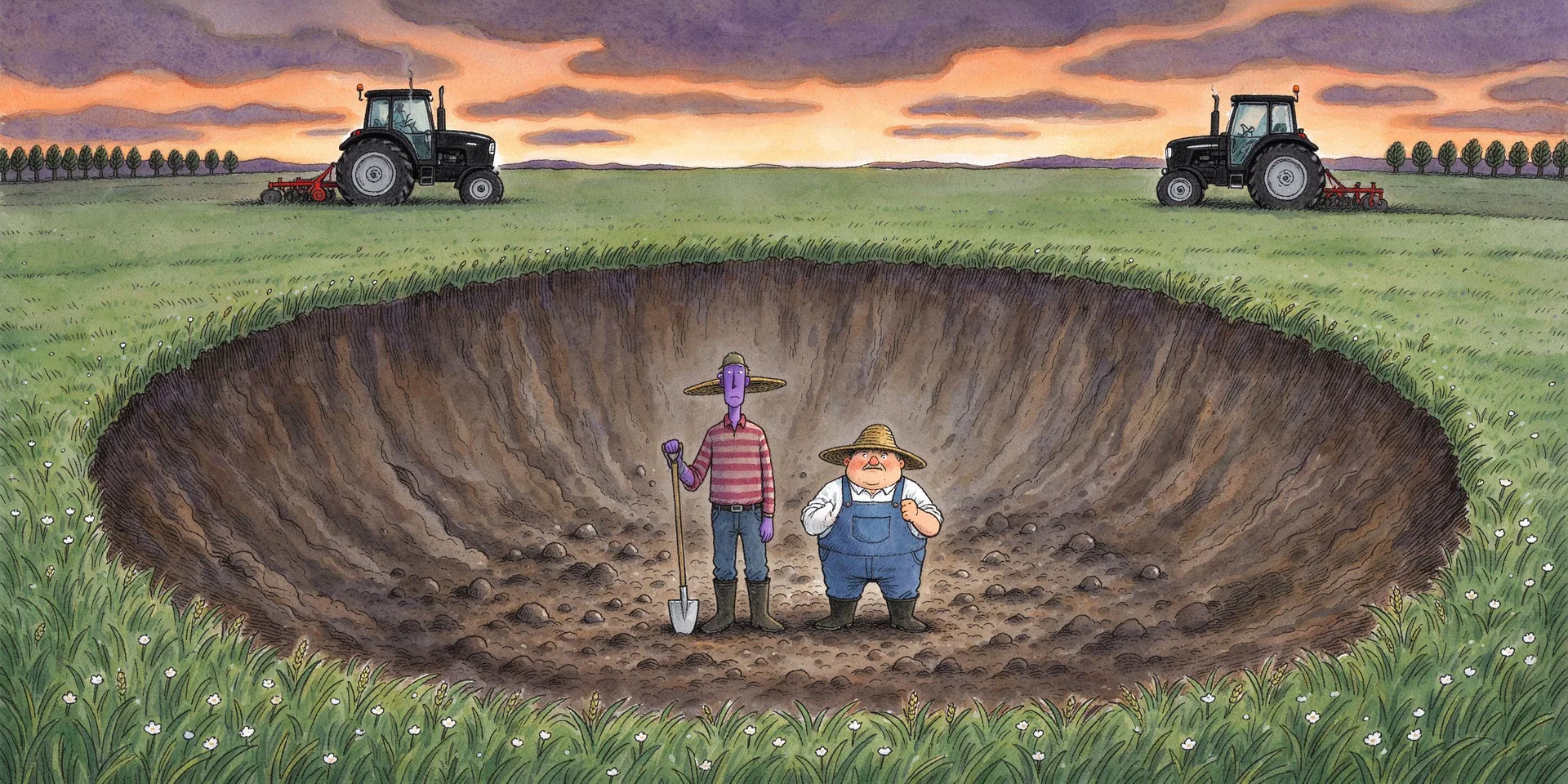
We'll Never Let Him Go —— 我们绝不会放他走
7Chapter 7
第六章结尾,山丘被挖成了火山口,三个农场主却仍然抓不到狐狸。这一章,机器挖不动了,他们换了一个更狠的主意:日夜扎营守在洞口,把狐狸一家活活饿出来!
The machines have dug the hill into a crater, but they still cannot reach the foxes. Now the three farmers try a new plan: they will camp at the hole day and night and starve the foxes out. Now read “We’ll Never Let Him Go” and listen to their solemn oath.机器把山挖成了火山口,却还是抓不到狐狸。三个农场主换了新计划:日夜守在洞口扎营,把狐狸饿出来。现在来读《我们绝不会放他走》,听一听他们的庄严誓言。
Roald Dahl loves a vow — a promise so big it drives the whole story. In Chapter 7 the farmers are too tired to dig any more, so Bean declares “We starve him out” and they swear a solemn oath. Dahl also uses repetition (反复) — “Never never never!” — and a simile (明喻): “dead as a dingbat”. When people swear, they mean business — and the danger grows.罗尔德·达尔爱写「誓言」——一个能推动整个故事的承诺。第七章里,农场主们累得挖不动了,比恩宣称“我们把他饿出来”,三个人郑重发誓。他还用「反复」——“永远永远永远!”;用「明喻」——“像吊死一只呆鸟”。一发誓,就是认真的——危险也越来越大。
The fox family dug for dear life, deeper and deeper, and escaped the shovels. Mrs Fox said the golden line: “Your father is a fantastic fox.” But at sunrise the next morning, Boggis, Bunce and Bean are still digging — and they are not giving up.狐狸一家拼命向下挖,越挖越深,躲过了铁锹。狐狸太太说出金句:“你们的爸爸是只了不起的狐狸。”可第二天日出时,博吉斯、邦斯和比恩还在挖——而且他们绝不放弃。
The farmers swear they will never let Mr Fox go. What do you think their next move will be?第七章叫《We'll Never Let Him Go 我们绝不会放他走》。农场主们对谁喊这句话?他们打算怎么办?
Pick one to remember your prediction — come back after reading to check!
点一个选项记住你的预测,读完全章后回来揭晓答案。
Two more questions after reading · 还有两个小问题:
1. What do the three farmers swear to do?
三个农场主发誓要做什么?
2. What does Bean decide to do at the end?
最后比恩决定怎么做?
跟着原文读一遍。橙色单词先别查——根据上下文猜一猜。点击任意单词弹出词典卡片(中英释义 · 发音 · 例句);点段落开头的 ▶ 听朗读(英式男声)。
At six o’clock in the evening, Bean switched off the motor of his tractor and climbed down from the driver’s seat. Bunce did the same. Both men had had enough. They were tired and stiff from driving the tractors all day. They were also hungry. Slowly they walked over to the small fox’s hole in the bottom of the huge crater. Bean’s face was purple with rage. Bunce was cursing the fox with dirty words that cannot be printed. Boggis came waddling up. “Dang and blast that filthy stinking fox!” he said. “What the heck do we do now?”
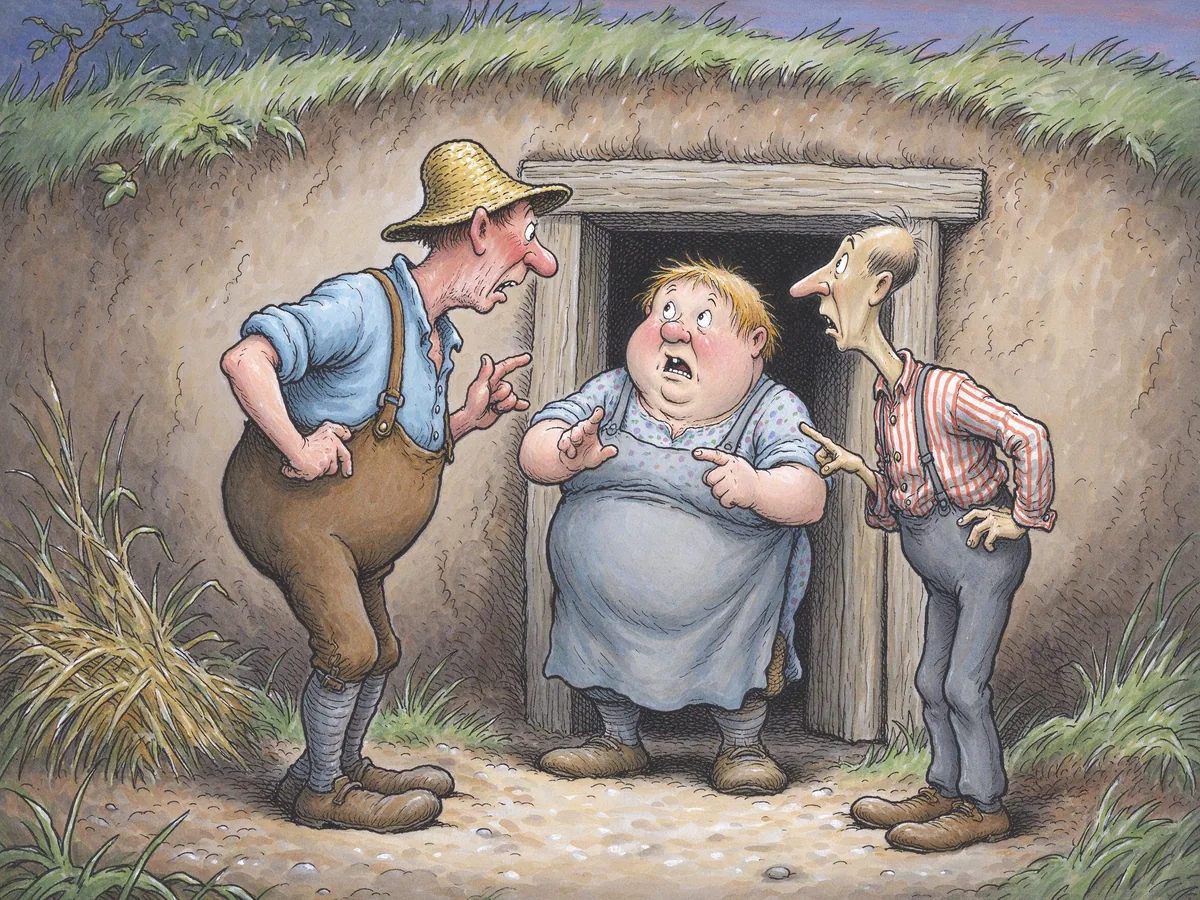
“I’ll tell you what we don’t do,” Bean said. “We don’t let him go!”
“We’ll never let him go!” Bunce declared.
“Never never never!” cried Boggis.
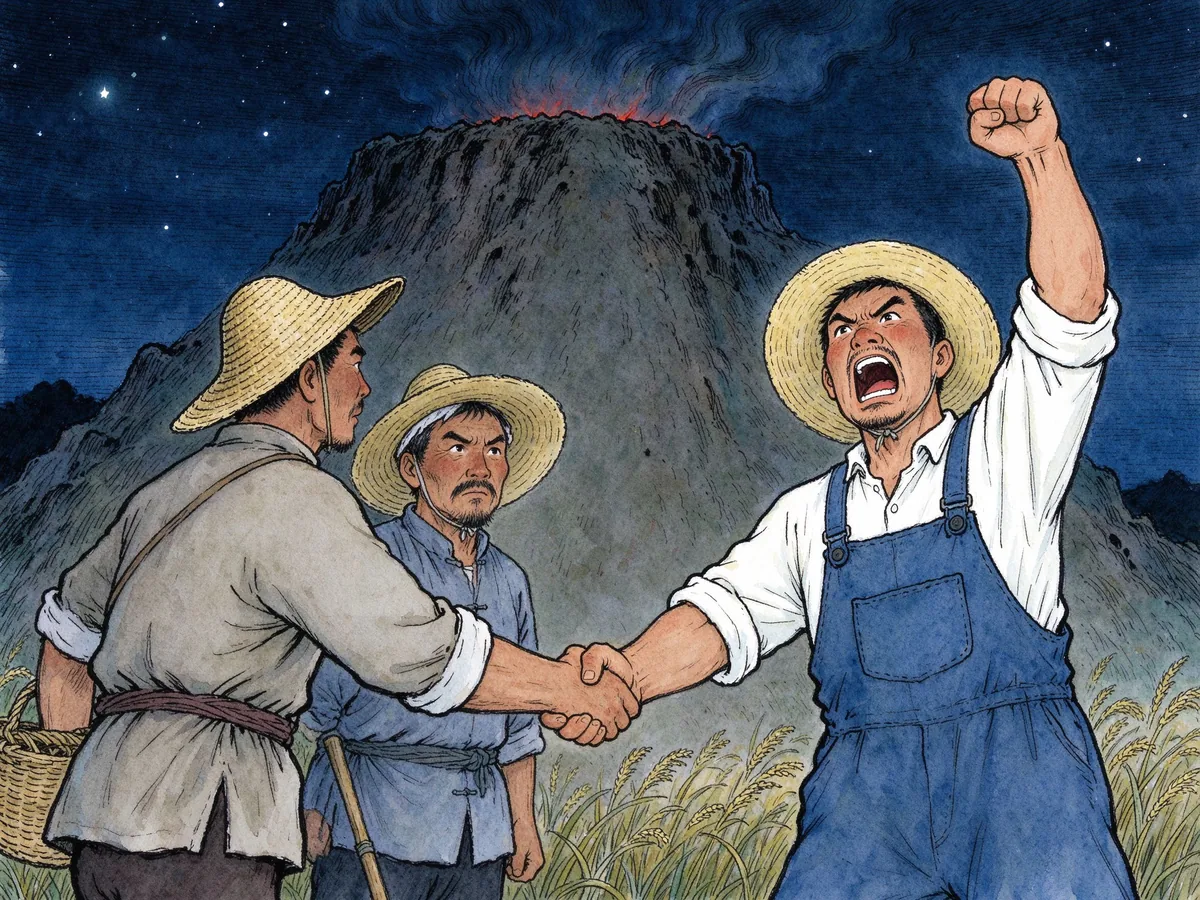
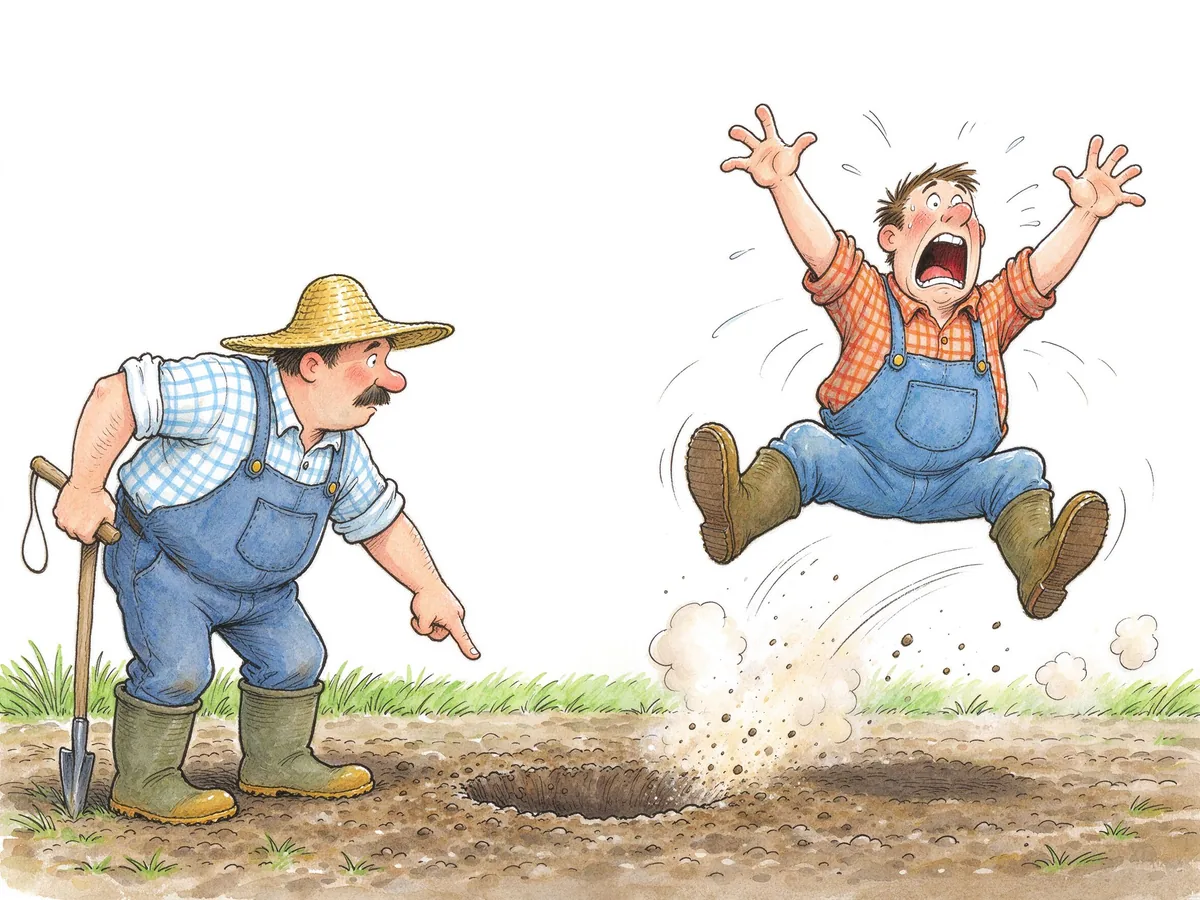
“Did you hear that, Mr Fox!” yelled Bean, bending low and shouting down the hole. “It’s not over yet, Mr Fox! We’re not going home till we’ve strung you up dead as a dingbat!” Whereupon the three men all shook hands with one another and swore a solemn oath that they would not go back to their farms until the fox was caught.
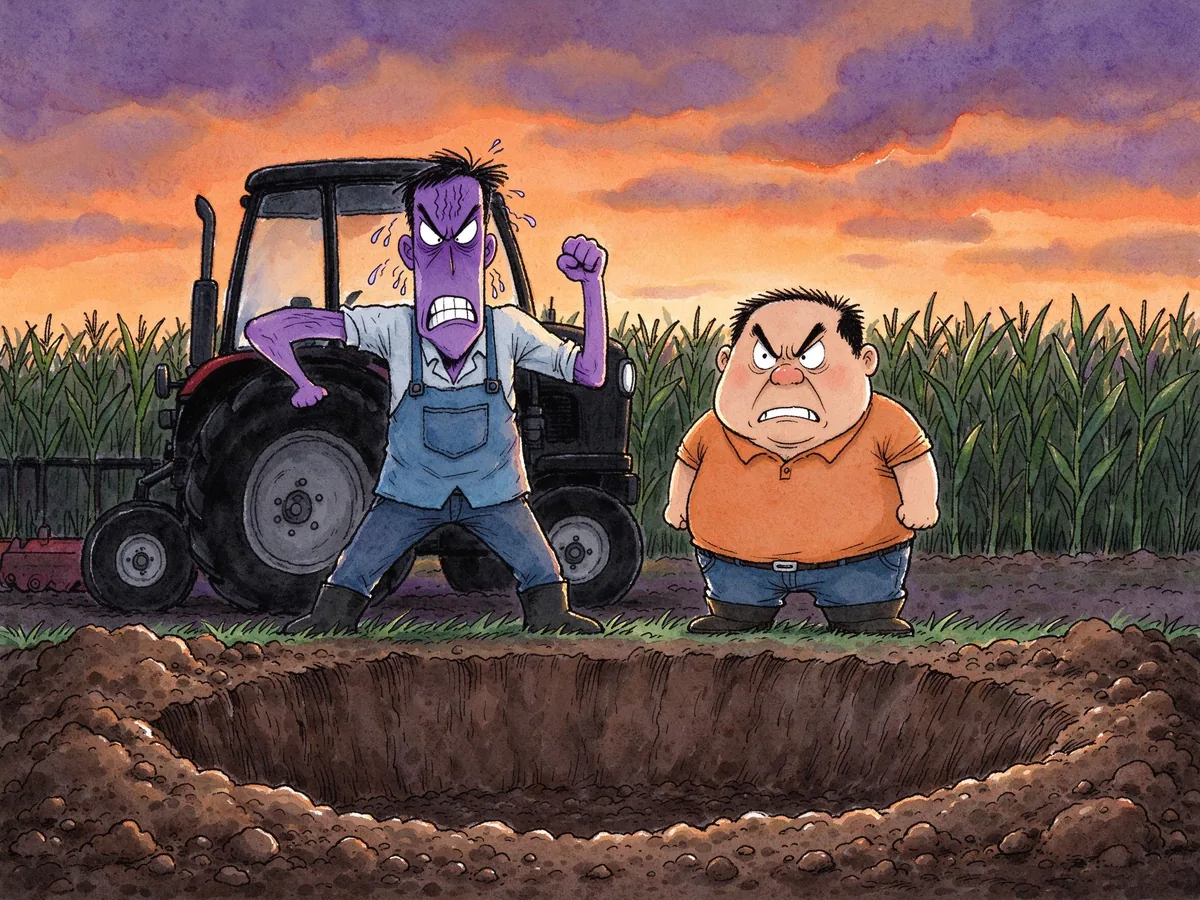
“What’s the next move?” asked Bunce, the pot-bellied dwarf.
“We’re sending you down the hole to fetch him up,” said Bean. “Down you go, you miserable midget!”
“Not me!” screamed Bunce, running away.
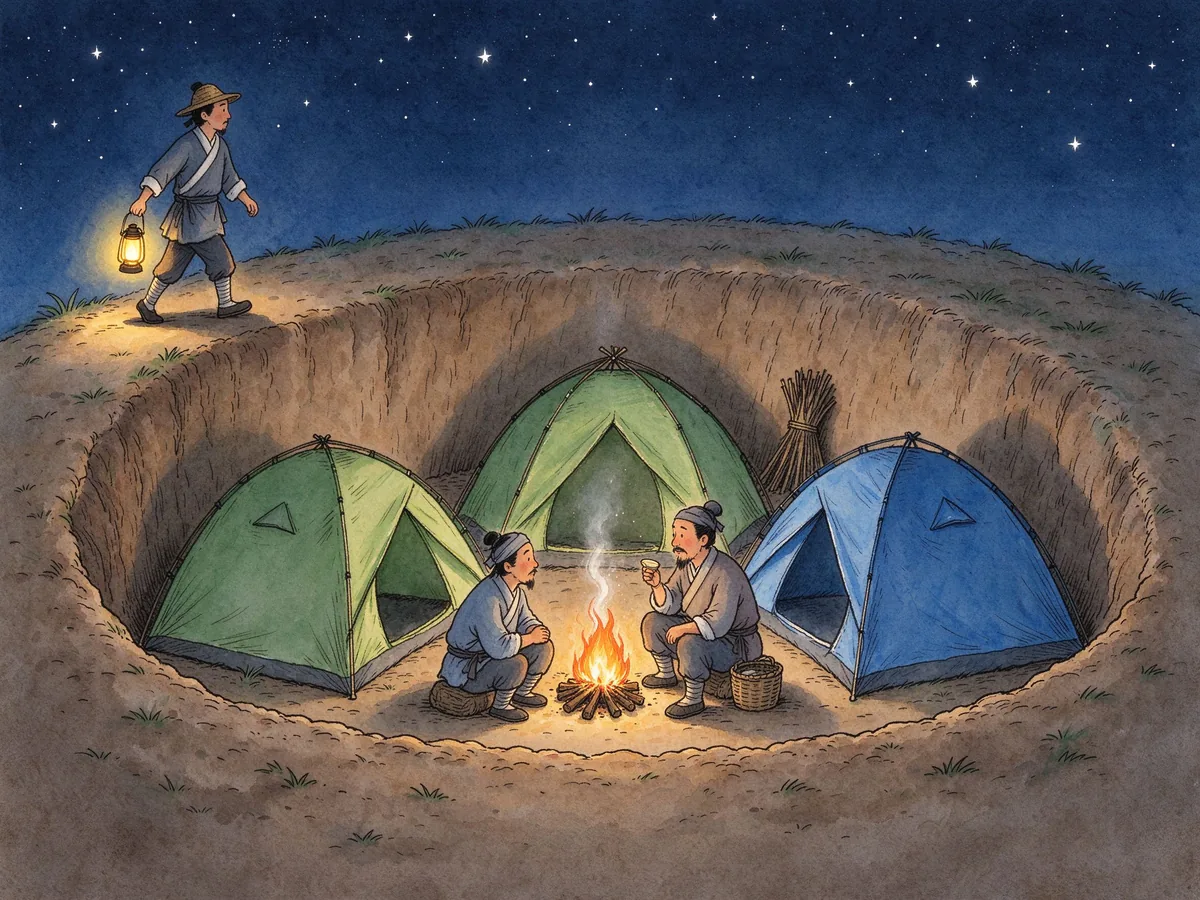
Bean made a sickly smile. When he smiled you saw his scarlet gums. You saw more gums than teeth. “Then there’s only one thing to do,” he said. “We starve him out. We camp here day and night watching the hole. He’ll come out in the end. He’ll have to.”
So Boggis and Bunce and Bean sent messages down to their farms asking for tents, sleeping-bags and supper.
这一章:三个又累又饿又气疯的农场主围着洞口发誓,一个怕下洞的矮子,一个想出馊主意的瘦高个——还有洞里那位被点名宣战的主角。
这一章写农场主的誓约。记叙文写「决心」,可以写脸色、写誓言、写动作,让人物的狠劲一层层加厚。
Bean's face was purple with rage. ... When he smiled you saw his scarlet gums. You saw more gums than teeth.
Purple face and scarlet gums — colour does the describing. "More gums than teeth" is a scary, unforgettable close-up of a villain.
紫脸、鲜红的牙龈——颜色在描写。「牙龈比牙齿还多」是反派脸上一个吓人又难忘的特写。
"We'll never let him go!" Bunce declared. "Never never never!" cried Boggis.
Repeating "never" three times turns a promise into a chant. Repetition makes the oath feel solemn and unstoppable.
「永远」连说三遍,把誓言喊成了口号。重复让这个誓言显得庄重而不容更改。
Whereupon the three men all shook hands with one another and swore a solemn oath.
Shaking hands and swearing an oath — a formal, almost ceremonial action. Two gestures show this is no small grudge but a holy war.
握手、发毒誓——正式得像仪式。两个动作说明这不再是小事,而是一场「圣战」。
Both men had had enough. They were tired and stiff from driving the tractors all day.
The narrator steps into both farmers' minds at once: tired, stiff, hungry. Even villains have limits — and they push past them.
叙述者同时走进两个农场主的内心:又累又僵、还饿。坏人也有限度——但他们偏偏硬撑过去。
Bean made a sickly smile. When he smiled you saw his scarlet gums. You saw more gums than teeth.
A "sickly smile" turns friendliness into a threat. The detail of scarlet gums and more gums than teeth makes the villain's expression grotesque and unforgettable.
一个「病态的笑」把友善变成了威胁。鲜红的牙龈、比牙齿还多的牙龈,让反派的笑容既怪异又难忘。
At six o’clock in the evening, Bean switched off the motor of his tractor and climbed down from the driver’s seat. ... Slowly they walked over to the small fox’s hole in the bottom of the huge crater.
Time and place set the mood: evening, the bottom of a huge crater, two tired men walking slowly. The quiet "slowly" makes the moment feel heavy — night is falling and the siege is beginning.
时间场地一起定调:傍晚,巨大火山口的底部,两个疲惫的人慢慢走。一个“慢慢”让场面变得沉重——夜晚降临,围困就要开始。
这一章是「静止中的升级」:三个疲惫的农场主聚到洞口 → 发誓绝不放手 → 喜剧插曲(谁下洞)→ 新计谋(饿出来)→ 扎营围困。动作很少,威胁却在一步步变大。
Bean’s face was purple with rage. Bunce used language that cannot be printed. Boggis came stumping up: “What do we do now?”
傍晚六点,三个又累又饿的农场主聚到洞口,气急败坏。
How it expands · 怎么展开:用「神态排比」展开:紫脸、脏话、蹒跚——三个平行细节,一次写出三人的疲惫与暴怒,为后面的誓言预热。
“We’ll never let him go!” ... “Never, never, never!” ... They shook hands and made a solemn vow.
三人发誓:不放狐狸走,不抓到他绝不回家。
How it expands · 怎么展开:围绕 never 三连展开:一个词喊三遍 + 握手发誓,把决心写成仪式。誓言喊得越响,后面计划的失败越滑稽。
“Go on down, you poor little midget!” Bunce shrieked “No, I won’t!” and ran away.
比恩让邦斯下洞,邦斯尖叫着逃跑。
How it expands · 怎么展开:用「反差」展开:毒誓刚发完,第一个计划就撞上胆小鬼。喜剧插曲撕开紧张空气,也给人物添上滑稽一面。
A thin sickly smile spread over Bean’s face ... “We shall starve him out. ... In the end he must come out. He has to come out.”
比恩露出病态的笑:把他饿出来,日夜守着。
How it expands · 怎么展开:用「慢威胁」展开:先写怪诞的神态(牙龈),再说慢计谋(饿)。短句收尾(must, has to)把威胁砸实。
They sent messages to their farms: tents, sleeping-bags and supper — they were really going to stay.
三人传话回农场:要帐篷、睡袋和晚餐,真要住下。
How it expands · 怎么展开:用「日常细节」收尾:帐篷、睡袋、晚餐三个词,把威胁变成日程——围困正式开始,悬念交给下一章。
这是「对峙」结构,复述时沿着威胁的升级走:聚首 → 誓言 → 插曲 → 计谋 → 扎营。
小提示:与「思维导图」搭配用——把导图的枝条按 聚首 → 誓言 → 插曲 → 计谋 → 扎营 排好,先看导图复述一遍,再合上导图凭记忆复述一遍。
示意图:上面守着、下面躲着——看谁先撑不住。
把第七章的信息装进这张「思维导图」,再沿着复述支架讲一遍——你也能当小老师!
把句子补充完整,就完成了第七章的复述。
复述加分:用 First / Then / Next / Also / Finally 把六句话串起来;讲到 “Never never never!” 时一拍一顿、越来越重,学学博吉斯发誓的狠劲;讲到 “Not me!” 时声音要尖,学学邦斯的害怕。
5 张图卡按情节顺序排好。看着图片,用英文把第七章讲出来——点击图片可以放大,每张图点开都有一句「提示句」帮你起头。
提示:图卡可左右滑动查看全部 5 张;点「看看提示句」展开英文句子;点图片放大全屏。
小挑战:先看着图讲一遍,再合上图卡,只凭记忆讲一遍——能做到,第七章就真正属于你了!
这一章,Dahl 让三个农场主从「挖」改成「守」:机器挖不到,他们就发毒誓、扎营围困。秘密武器是这六招:
一个词连说三遍,像三记重锤:never → never → never。光说一遍不够坚决,Dahl 让 Boggis 连喊三遍——读者的耳朵都记住了这份狠劲。
重复同一词语来加强语气——中文叫「反复」;“永远永远永远”就是「连续反复」,一唱三叹,越喊越重。
dingbat 是「笨鸟、呆瓜」。Dahl 不说「我们要杀了你」,而说「把你吊得像个死呆鸟」——用荒诞可笑的比喻,把一个狠毒的威胁说得又凶又滑稽,这正是 Dahl 的黑色幽默。
用「像、如」把 A 比作 B——中文叫「明喻」;把威胁比成吊死一只呆鸟,是「比喻 + 荒诞」,既凶狠又好笑。
不说「他阴险地笑了」,只写眼睛看到的细节:猩红的牙龈、比牙齿还多的牙龈。一个让人不寒而栗的笑,几笔就写出来了——这就是「用细节代替形容词」。
不直接说心情,只写外貌细节——中文叫「白描」或「以形写神」;“more gums than teeth” 就是中国话里的「皮笑肉不笑」。
同样一个意思,三个人各说一遍,一句比一句更狠。说话动词也在升级:said → declared → cried。Dahl 用对话接龙,把三个人的决心一层层垫高,读起来像合唱越唱越响。
三个并列的句子越说越强——中文叫「排比」或「层递」;「我说不放走他,他说永远不放走他,他喊永远永远不放走他」就是一层比一层高的递进。
光是说狠话不够,Dahl 还让他们握手、发誓——像一个正式的仪式。until the fox was caught 这个时间条件,把誓言锁得死死的。读者知道:这场围困,短不了。
古人发誓常「击掌为誓」——中文叫「立誓/击掌为盟」;握手发誓 + 时间条件,是「仪式感写作」,让读者相信他们是认真的。
三句短句,一句比一句短、一句比一句硬:We starve him out.(我们饿死他。)He'll come out in the end.(他最后会出来。)He'll have to.(他必须出来。)最后三个词 He'll have to. 没有动词补充——省略的力量,就是命令的力量。抄进你的好句本吧。
句子越短越有力——中文叫「短句收束」;「他最后会出来。他必须出来。」两个短句一顿,斩钉截铁,把决心钉死在纸上。
中西对照小发现:英文 repetition 就是中文「反复」,simile 就是「明喻」,portrait detail 就是「白描/以形写神」,dialogue chain 就是「排比层递」,oath ritual 就是「立誓仪式」,short sentences 就是「短句收束」。给小朋友讲的时候,中英文术语可以互相借用,哪边熟讲哪边。
三个难度层级:先找细节,再推原因,最后谈看法。点「提示」给一点帮助,点「答案」对照想法。
1. What time did Bean switch off his tractor? 比恩什么时候关掉拖拉机的?
2. What did Bean’s face look like? 比恩的脸是什么样子的?
3. What did they ask their farms to send? 他们让农场送来什么?
4. Why were the two men so tired and stiff? 两个人为什么又累又僵?
5. Why did Bunce refuse to go down the hole? 邦斯为什么拒绝下洞?
6. What was Bean’s plan to catch the fox? 比恩抓到狐狸的计划是什么?
7. Do you think the farmers will really stay at the hole? Why or why not? 你觉得农场主真的会一直守在洞口吗?为什么?
8. Why did Dahl write “Never never never!” three times? 为什么达赫要连写三个 never?
9. The next chapter is called “The Foxes Begin to Starve”. What do you think will happen? 下一章叫《狐狸们开始挨饿》,你觉得会发生什么?
Chapter 7 shows obsession hardening into a siege: vows of “never, never, never,” a comic panic at the hole’s mouth, and a slow, patient plan to starve the foxes out. The farmers stop being farmers — they become jailers.
第七章把执念熬成围困:三连的「绝不放手」、洞口前滑稽的胆怯、还有慢刀子似的「饿出来」。农场主不再是农夫——他们变成了狱卒。
每张词卡正面是原文句子——先根据上下文猜意思,再点击翻面验证。学完 12 个核心词,别忘了下面的「拓展好词」。
“Bean’s face was purple with rage.”
猜一猜:开心 / 狂怒 / 害怕?
“Bunce was cursing the fox with dirty words.”
猜一猜:夸奖 / 咒骂 / 呼唤?
“Dang and blast that filthy stinking fox!”
猜一猜:可爱的 / 肮脏的 / 聪明的?
“that filthy stinking fox”
猜一猜:发臭的 / 闪亮的 / 跑得快的?
“they swore a solemn oath”
猜一猜:随意的 / 庄严的 / 可笑的?
“swore a solemn oath”
猜一猜:计划 / 誓言 / 秘密?
“We’re sending you down the hole to fetch him up.”
猜一猜:把他放出来 / 把他抓上来 / 把他藏起来?
“Down you go, you miserable midget!”
猜一猜:幸运的 / 可怜的 / 勇敢的?
“Down you go, you miserable midget!”
猜一猜:巨人 / 矮子 / 勇士?
“Bean made a sickly smile.”
猜一猜:灿烂的 / 病态的 / 神秘的?
“you saw his scarlet gums”
猜一猜:苍白的 / 猩红的 / 乌黑的?
“We starve him out.”
猜一猜:放他走 / 饿死他 / 吓唬他?
| Word | Meaning 释义 | From the text 原文 |
|---|---|---|
| waddling | v. 摇摇摆摆地走(waddle 的 v-ing) | “Boggis came waddling up” |
| stiff | adj. 僵硬的;发僵的 | “tired and stiff from driving” |
| declared | v. 郑重宣布(declare 的过去式) | “We'll never let him go!” Bunce declared. |
| swore | v. 发誓(swear 的过去式) | “swore a solemn oath” |
| dingbat | n. 呆鸟;笨家伙(口语) | “dead as a dingbat” |
| gums | n. 牙龈 | “scarlet gums” |
| tents / sleeping-bags | n. 帐篷 / 睡袋 | “asking for tents, sleeping-bags and supper” |
本章的 4 个语法点都藏在课文句子里:每个点按「规则 → 原文例句 → 即时练习」三步走,最后做综合小测检验。先找过去完成时和 until,再看动词ing 作状语和省略句。
规则:had + 过去分词 表示过去的过去:在过去某个时间点之前已经完成的动作。常和 then / before / until 等一起出现,用来交代「更早发生的事」。
P1Both men had had enough. P2they would not go back ... until the fox was caught. P3After they had been driving all day ...
had had enough = 已经受够了:第一个 had 是助动词,第二个 had 是「have 受、忍」的过去分词。先受够(更早),再下车(后来)。
1When I arrived, the bus ___ (leave) already.
2He told me he ___ (finish) his homework.
3翻译:到六点时,他们已经开了一整天拖拉机。
1. had left——我到达(过去)之前,车已经开走(过去的过去)。
2. had finished——告诉(过去)之前已经完成。
3. By six o'clock they had been driving the tractors all day.——had been driving 是过去完成进行时,强调一直开。
规则:not ... until ... 表示「直到……才……」:动作在 until 之后才发生。until 引导时间状语从句。主句多是否定句,翻成中文常说「才」。
P2We’re not going home until we’ve strung you up dead. They would not go back until the fox was caught.
不回家,直到把狐狸吊死——「直到……才……」把誓言的时间锁死,非做到不可。
1He didn’t go to bed ___ he finished his homework. (until / when)
2I won’t leave ___ you come back. (until / because)
3翻译:他们直到抓到狐狸才回家。
1. until——直到写完作业才上床。
2. until——直到你回来才离开。
3. They didn't go home until they had caught the fox.——not...until 翻成「直到……才……」。
规则:在主句后面加 v-ing 短语,表示伴随动作或结果:主语一边做 A 一边做 B。本章常见:waddling up(边走边摇)、screamed ... running away(边尖叫边跑)、sent ... asking for(写信要求)。
P1Boggis came waddling up. P3“Not me!” screamed Bunce, running away. P5sent messages ... asking for tents.
waddling / running / asking 都是 v-ing:跟主句同一个主语,把两个动作叠进一句,画面更生动。
1She ran out of the room, ___ (cry).
2He sat by the fire, ___ (read) a book.
3翻译:他尖叫着跑开了。
1. crying——哭着跑出去,crying 伴随 ran。
2. reading——坐在火边看书。
3. He screamed, running away.——screamed 是主句,running away 表伴随。
规则:在对话里,能猜到的部分可以省略,句子更短更有力。常见省略:He’ll have to (come out). = He’ll have to come out. 省略了动词,意思完全清楚。
P4He’ll come out in the end. He’ll have to. (= have to come out) P1“What the heck do we do now?” — 口语里 the heck 代替 the hell,避免脏话。
He'll have to. 只有三个词——省略了 come out,反而更斩钉截铁。短句省略,是对话里最有力量的武器。
1“Can you come?” — “I’ll ___ (try).”
2She must go now. She really ___ (have to).
3把 “He’ll have to come out” 改成省略句。
1. try——I'll try (to come) 的省略。
2. has to——has to (go now) 的省略。
3. He'll have to.——省略 come out,意思不变,更干脆。
5 道选择题 + 1 个配对游戏。先做选择题,再做配对,看看你能得几分!
1第六章结尾,三个农场主为什么停下来?
2三个人发誓要做什么?
3Bean 让邦斯做什么?
4邦斯怎么回答的?
5Bean 最后想出的计划是什么?
先点左边的角色,再点右边他说的话。
还有 3 对要配对。
这一页是你的自学地图:学习目标、学习步骤和全部答案都在这里,跟着走就能通关第七章。